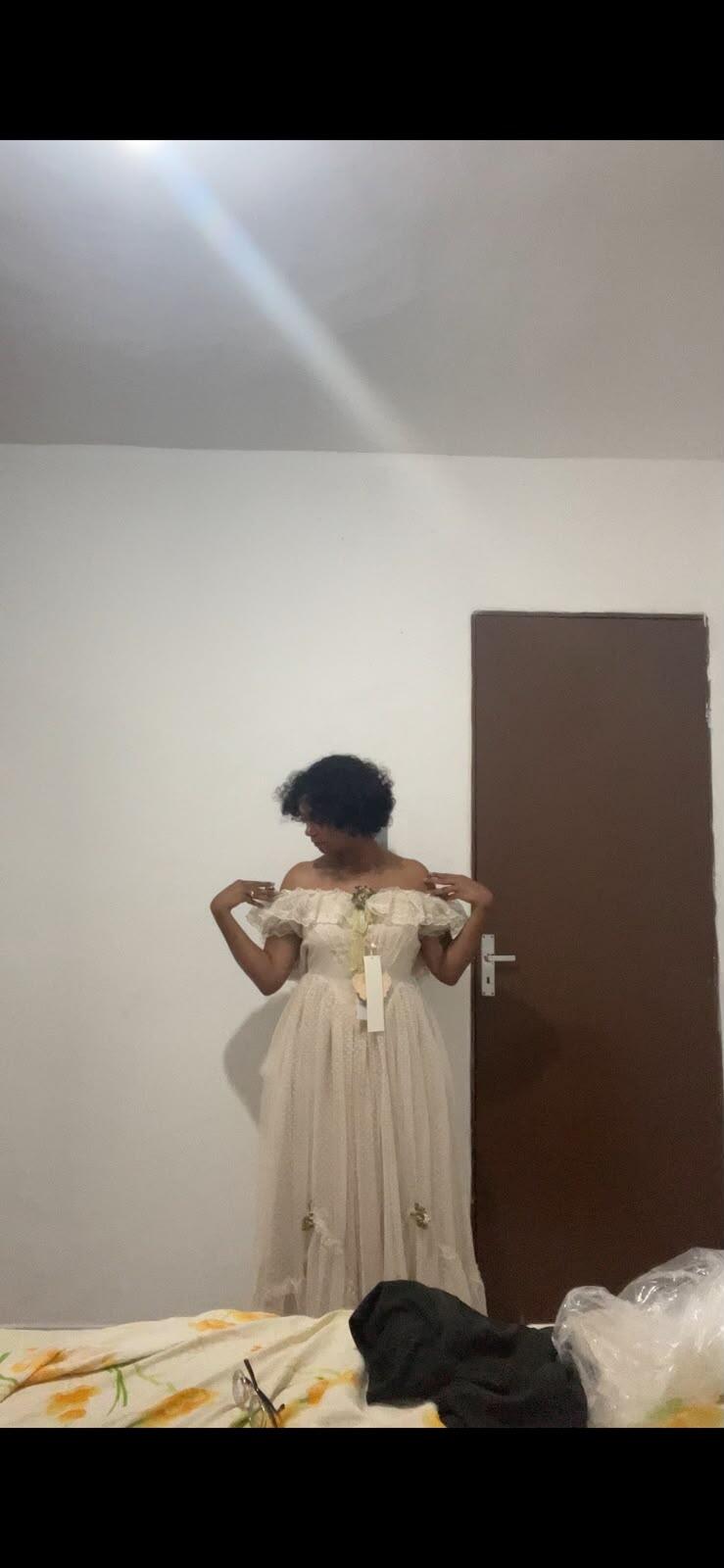
Type "Asian clothing" into a search bar and the internet still hands you a costume. A satin qipao with a dragon printed up the back. A polyester "kimono robe" sized for one Halloween. A rack of things engineered to be worn once, to a themed party, and then guiltily donated. That is a gift-shop idea of an entire continent, and it has almost nothing to do with what anyone in Shanghai, Chengdu or Seoul actually pulls on before leaving the apartment.
The real story is smaller, sharper and far more interesting. A generation of independent Chinese and Asian designers has spent the last few years building labels with an actual point of view — and shipping them everywhere.
It's a scene, not a category
Here is the reframe worth making: "Asian clothing" in 2026 is not a genre of garment. It's a scene. When people search asian fashion now, they are not looking for embroidery-as-theme-park; they are looking for the specific labels that keep surfacing on their feeds — the ones doing tailoring, denim, knitwear and outerwear that happen to be designed in Chengdu instead of Copenhagen. Chinese clothing, in the sense that matters commercially, means small studios with strong signatures, not national dress. The clothes read as contemporary first and Chinese second, which is exactly why they travel.
The streetwear spine
Start where the movement got its momentum: streetwear, but the considered, cut-and-sewn kind rather than logo-on-a-blank. Explore SMFK → and you see it immediately — the compass-and-cross motif that recurs across the range, workwear proportions pulled taut, a palette that stays disciplined. It sits comfortably next to the leaner, sportier energy of Explore DONSMOKE →. This is the through-line of modern Chinese design: garments built to be stacked, layered and beaten up, not babied. The compass isn't heritage cosplay. It's a house signature, the way a stripe or a monogram is elsewhere.
Coquette, with teeth
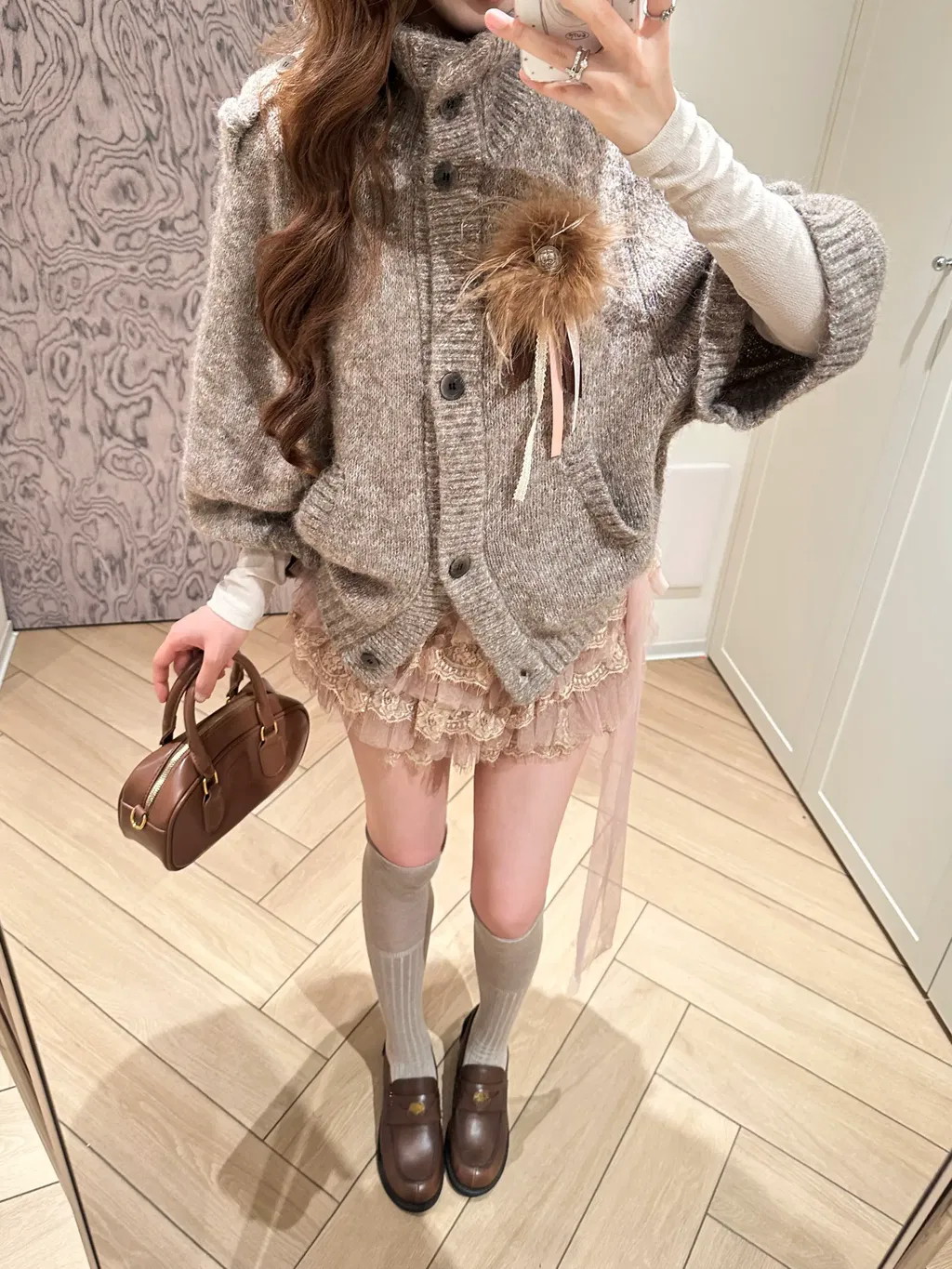
The other pole is the soft one — and it is nothing like the sugary "cottagecore" the word coquette usually summons. The Chinese read on it is stranger and funnier. Bows and pearls arrive attached to something slightly off: an off-shoulder tee with a dachshund picked out in beads, a lace collar over a hard denim shell. Explore LACEMADE → works this seam of prettiness, while Explore SOMESOWE → keeps the romance but sands the edges. The trick is that the sweetness is deployed with a raised eyebrow.

Utility, and the new-Chinese line
Then there is the utilitarian current — pockets, hardware, technical fabrics, the odd nod to workwear — that runs through labels like Explore FMACM →. It's practical clothing rendered with a designer's eye for proportion, and it's where the "new-Chinese" instinct shows up most clearly: not dragons and frog-buttons, but a restraint and a structural cleverness that feels regional without ever being literal. A faux-fur jacket in this world isn't a costume topper; it's an outerwear statement you'd wear to dinner and to the corner store.

How to actually wear it
The whole scene coheres around one wearing principle: pick one loud thing, then ground it. A pearl-beaded tee or a fur jacket wants a quiet base under it, and nothing does that job better than a good pair of washed, slim-flare jeans — the neutral spine that lets the statement piece do the talking. Add one playful anchor if you want it, a beanie or a bag from a label like Explore 13DE MARZO →, and stop there. Restraint is what separates the look from cosplay.

Why it's the corner worth watching
What makes this the most interesting patch of fashion right now is precisely that it doesn't announce itself. These are small studios competing on ideas — a motif, a proportion, a fabric nobody else is using — rather than on marketing budgets. That's rare, and it's fragile, and it's exactly the kind of thing that gets flattened into "trend" the moment it goes mainstream. Better to meet it while it's still moving.
If the qipao-as-costume version of asian clothing was a dead end, this is the open road. Come see who's actually driving it — browse the latest arrivals → and start with whichever pole pulls hardest.