Hold a tencel camisole up to the light and the whole aesthetic explains itself. The cloth has weight without stiffness, a faint sheen that reads as skin rather than satin, and a drape that skims the body instead of gripping it. Nothing is shouting, and that restraint is the entire point. It is also why the phrase people actually type into a search bar — asian style clothing — so rarely matches what they get back: a rack of dragon prints and borrowed collars sold as costume. The sensibility driving contemporary East-Asian design is almost the opposite of costume. It is quiet, structural, and far more interested in how a garment feels than in how loudly it announces itself.
It Starts With the Cloth, Not the Silhouette
Walk through the studios shaping this look — in Shanghai, Seoul, and Tokyo alike — and the first conversation is rarely about shape. It is about fiber. Tencel, modal, lyocell, fine merino, brushed wool: materials chosen for how they move and how they hold color. A modal-blend camisole in oatmeal or clay does more work than any print, because the eye settles on the fall of the hem instead of a motif. This is fabric-led minimalism, and it is a discipline. When the material carries the garment, every seam and dart has to be honest. There is nowhere to hide a lazy cut.

The palette stays deliberately low for the same reason: bone, ash, char, a muted sand — colors that read as considered rather than seasonal. A well-made camisole in this register becomes the base you build a year of dressing around, the piece you reach for before you have decided what the day is going to ask of you. It disappears into the outfit and holds everything up at the same time.
Fitted, Then Fluid
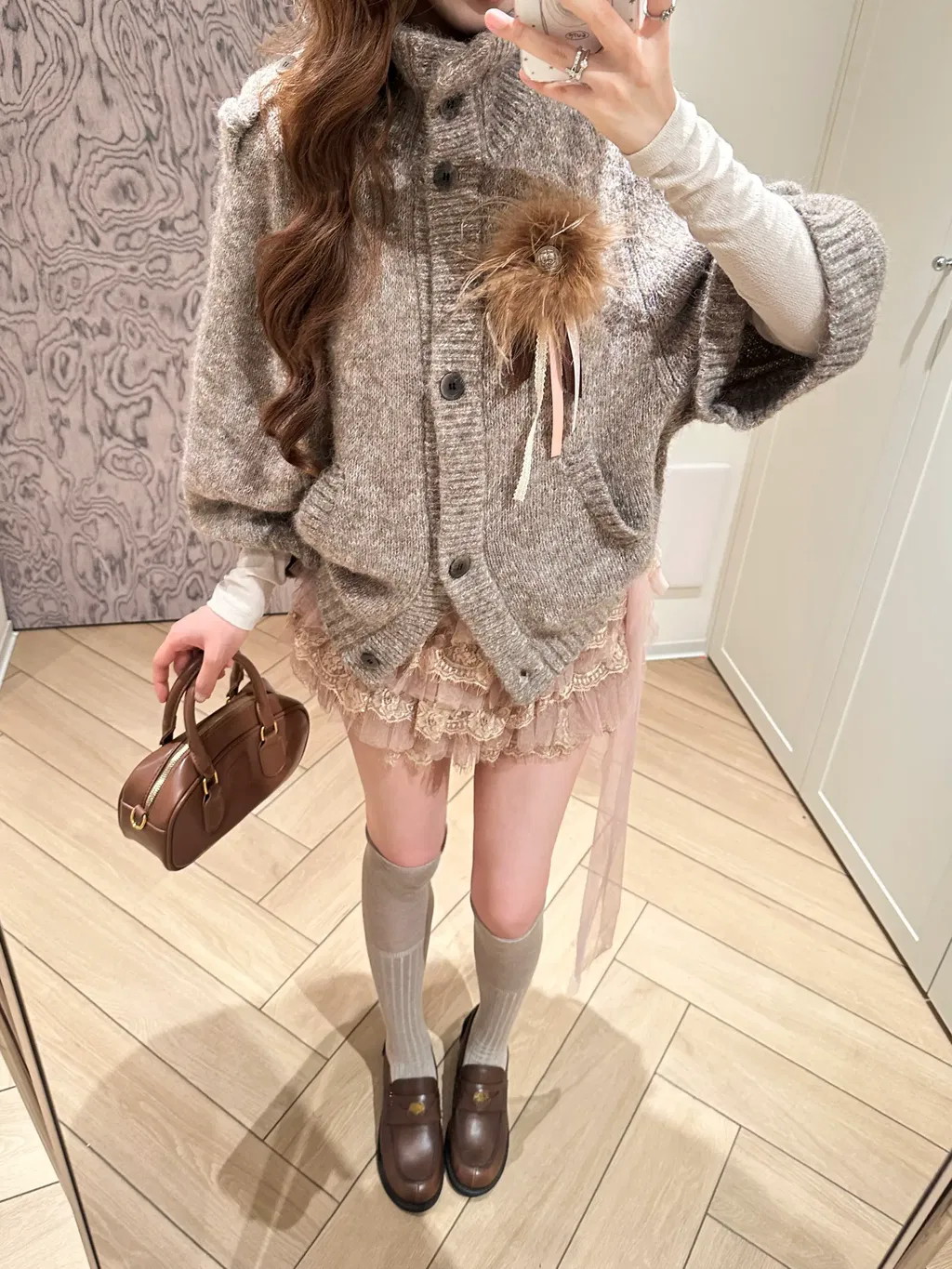
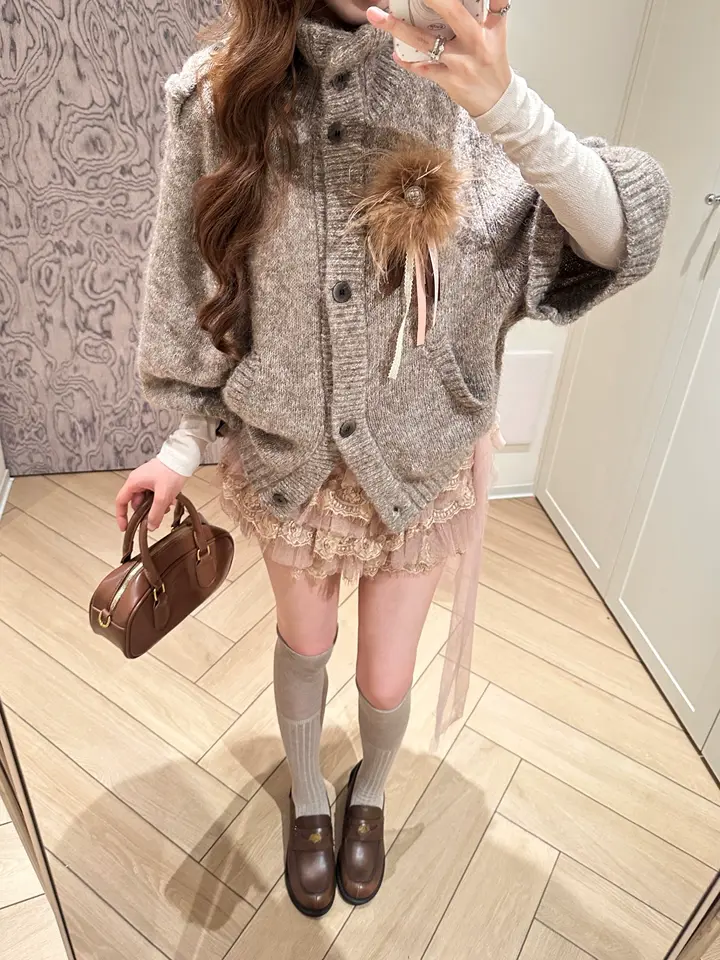
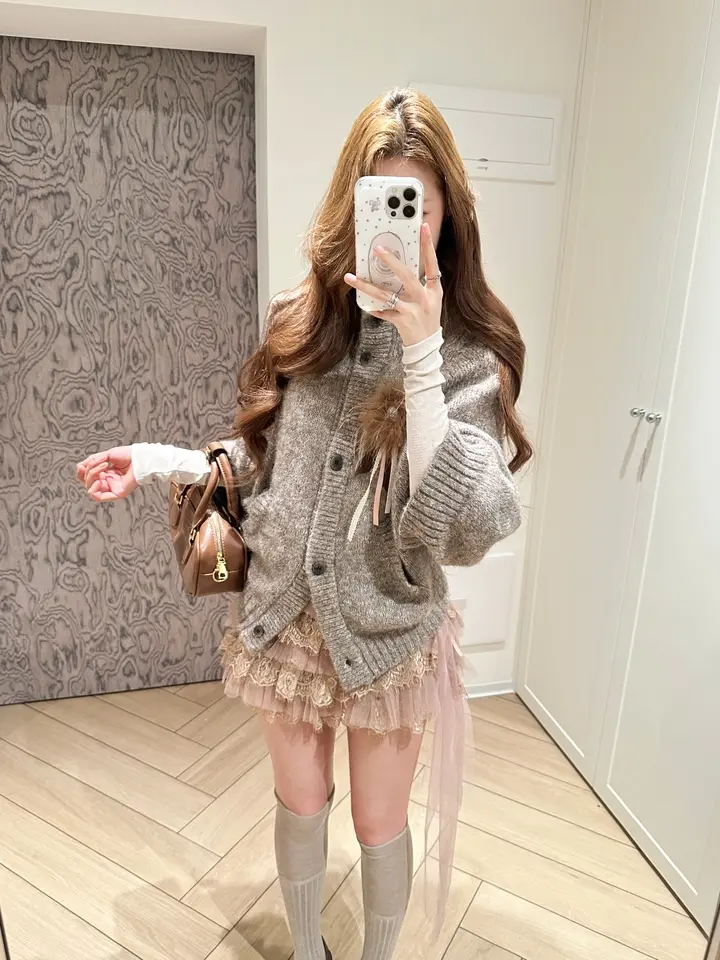
The proportion logic is specific and worth naming, because it is what separates this from generic minimalism. The layer nearest the skin is fitted — a mid-sleeve tee that traces the shoulder and rib, a camisole cut close through the torso. Everything below or over it then goes fluid: a bias skirt that swings, a wide trouser, a coat that falls straight from the shoulder. Fitted, then fluid. Get that ratio right and even the plainest pieces look intentional.

The detailing that matters here is structural, never applied. An open back on an otherwise modest tee. A seam that draws in the waist without a single ruffle. A collar that stands on its own without interfacing that crackles. These are the decisions that separate a considered garment from a cheap one, and they reward close looking rather than a passing glance.
Where to Begin: Three Pieces
You do not need a wardrobe overhaul, only three anchors. First, a fabric-forward top — a fitted camisole or a long-sleeve tee with a real cut, something from a label like SRYS AME → that treats jersey as tailoring rather than loungewear. Second, a clean skirt with no waistband drama, a straight or gently bias line in a matte fabric; the skirts → that work here are the ones you forget you are wearing. Third, the piece that pulls the whole thing into focus.

The Coat That Ties It Together
A stand-collar wool coat is the keystone of this look, and it is worth spending real money on. The collar does the heavy lifting — standing clean off the neck, framing the face, giving architecture to an outfit that is otherwise all soft fabric and quiet color. Look for wool with body but not bulk, a straight or barely cocooned line, and shoulders that sit exactly where yours do. Worn open over a fitted tee and a fluid skirt, it completes the fitted-then-fluid equation from the top down. This is where the wool coats → worth investing in live, and one good one outlasts a decade of trend pieces.
Why Restraint Reads as Expensive
Understand this before you shop: the look is legible precisely because it withholds. No logo, no print, no borrowed reference — just cloth, cut, and proportion doing the talking. That makes it harder to fake and easier to live in. It also ages well, because nothing about it is pinned to a single season. Build it slowly, one considered piece at a time, and let each fabric earn its place in the rotation.
The simplest way to see how these anchors read together is to start with what has just landed and pull in one at a time — begin with the new arrivals → and let the cloth make the case.