The same worried question reaches our inbox a few times a week, phrased a dozen different ways. The jacket is beautiful, the price is fair, the photographs look right, but the shipping origin says China, and something about that gives the reader pause. It is a reasonable hesitation, and it deserves a straight answer rather than a marketing one.
So here is the honest version. "Made in China" no longer means what it meant fifteen years ago, when the phrase was shorthand for anonymous factory output and fast-fashion knockoffs. The country that once mostly sewed other people's designs now has a generation of independent studios of its own — small labels run by designers who trained at Central Saint Martins and Parsons and came home, ateliers working in deadstock silk and hand-finished tailoring, producing a few hundred pieces of something rather than a few hundred thousand. That is exactly the part the old stereotype gets wrong.
What "made in China" fashion actually means now
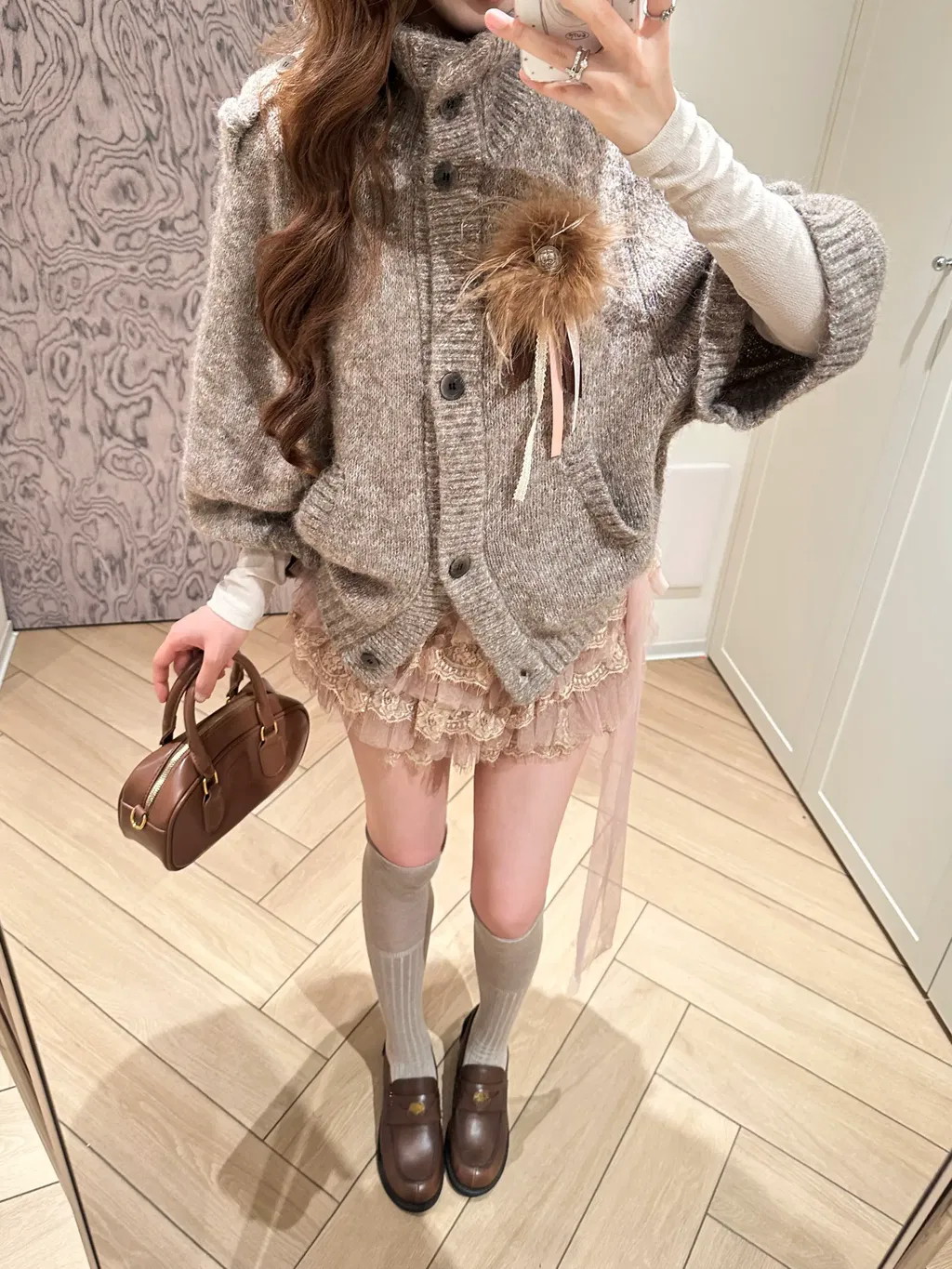
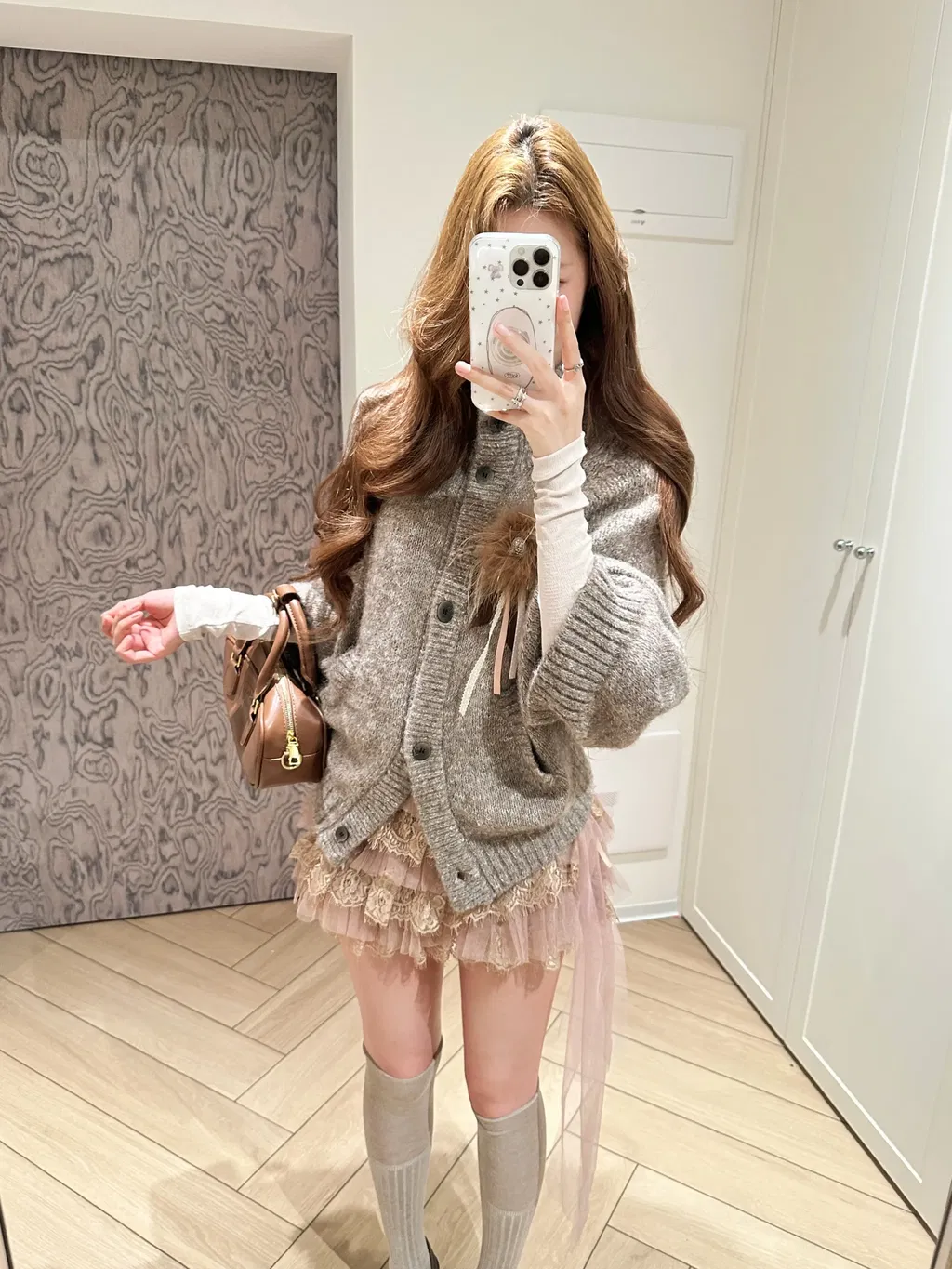
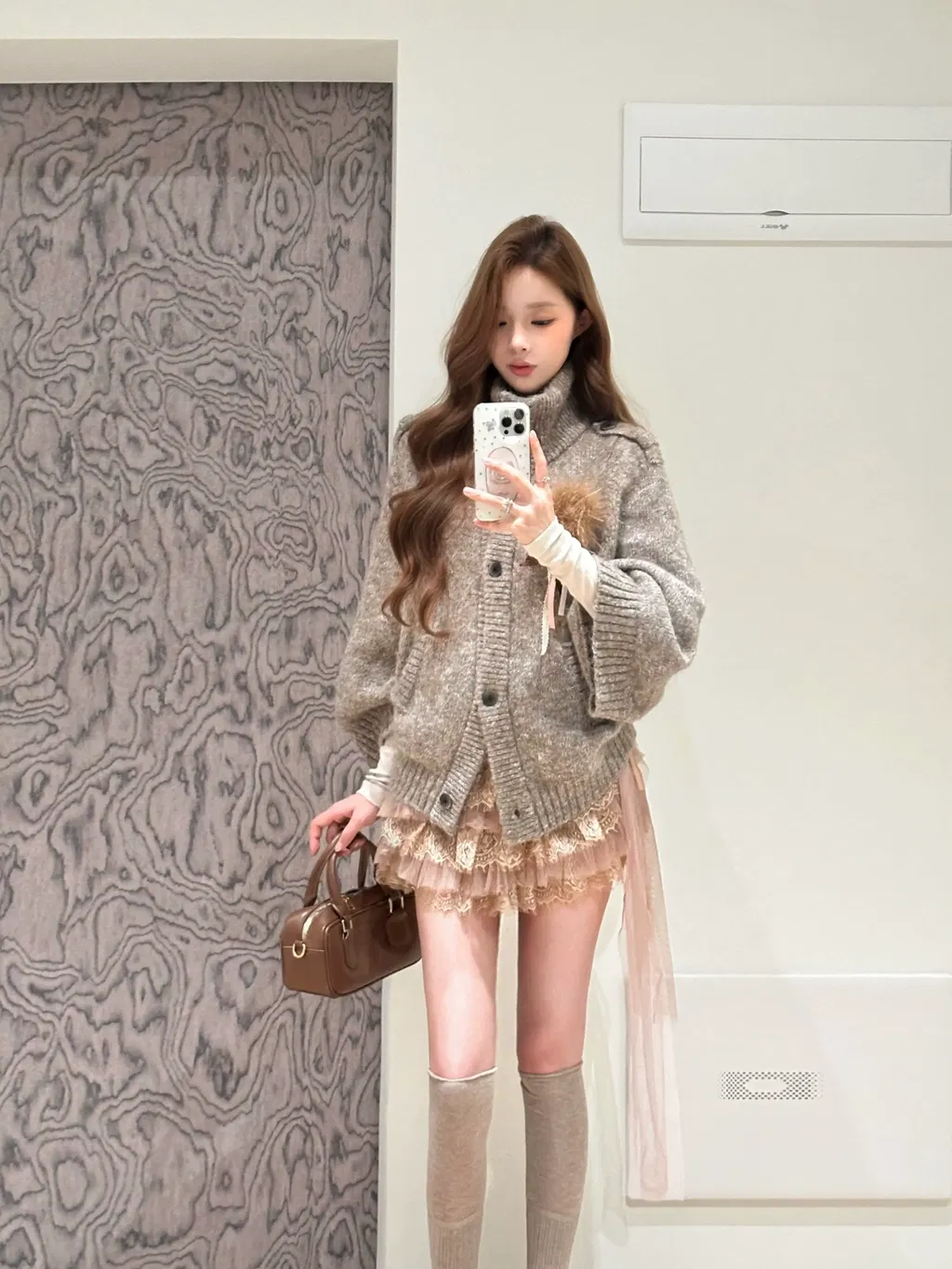
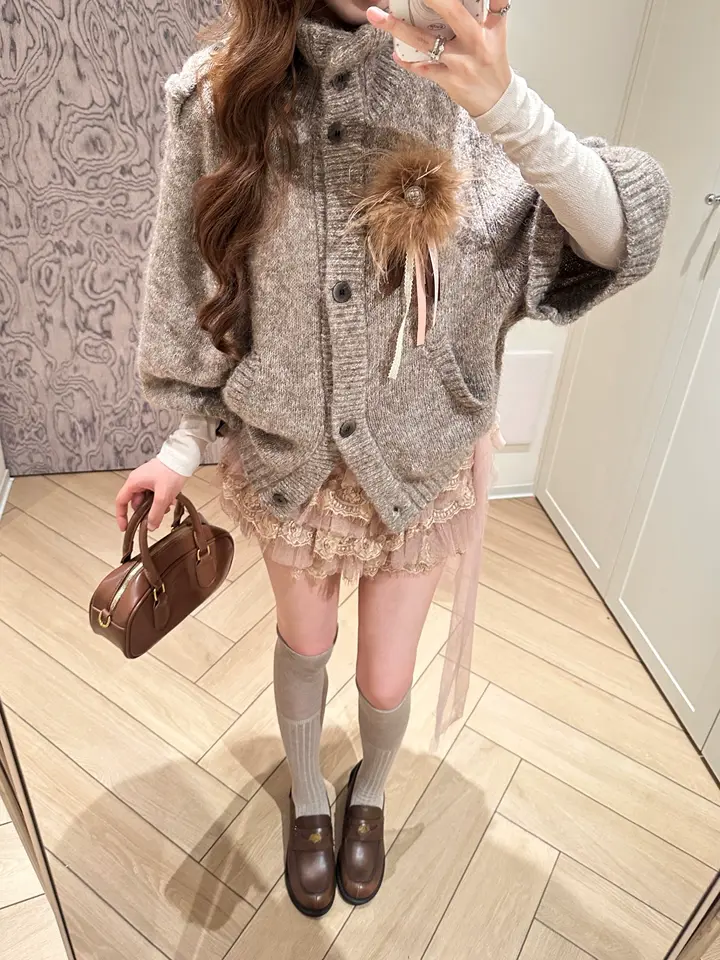
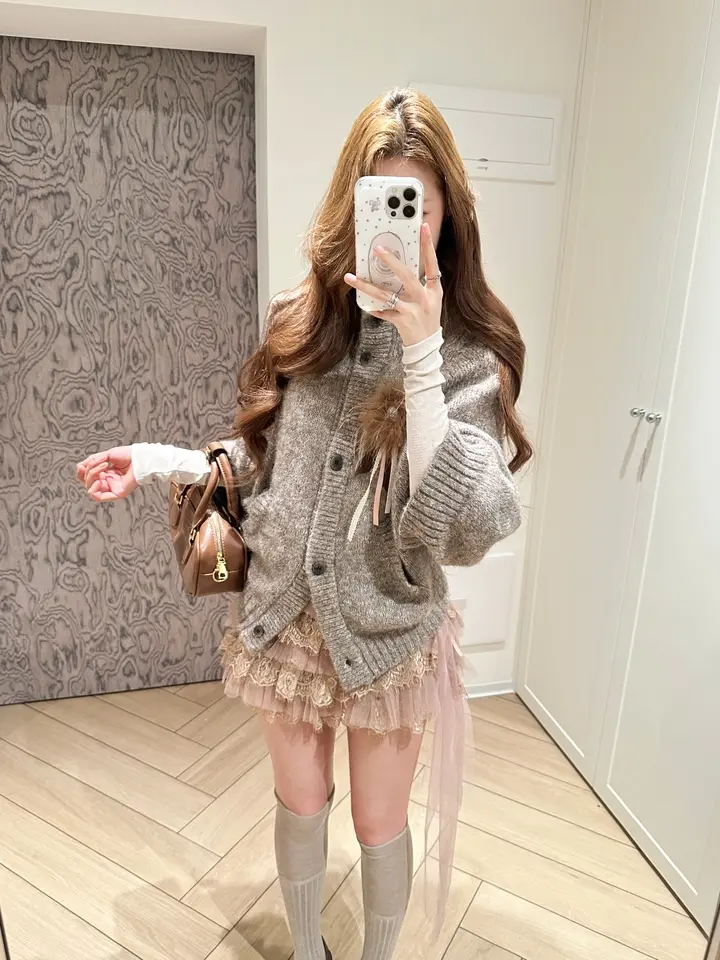
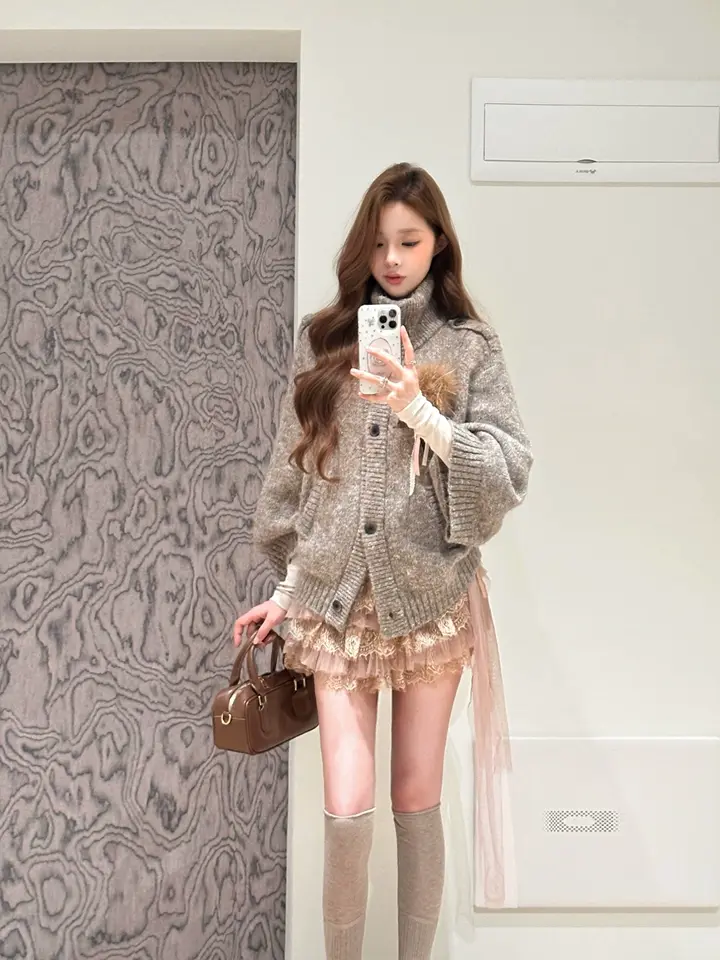
The independent design scene is where the real story sits. Labels like SMFK's cool-girl tailoring → carry a genuine point of view; studios like Selene Chow and Elywood work a softer, more romantic register; Blood Supply leans theatrical and architectural. These are not dropship storefronts flipping the same marketplace blazer under forty different names. They are design houses with signatures you can learn to recognize — a particular shoulder line, a recurring way with hardware, a fabric they return to season after season.
Take a piece like this washed moto jacket. The point is not that it is cheap; it is that the wash is deliberate, the panels are cut to sit close through the shoulder, and the whole thing carries a considered, secondhand feeling that a generic factory run never bothers with.

How to read any store before you trust it
You should not take anyone's word for it, ours included. There are four things worth checking on any store selling clothing from overseas, and they take about five minutes. First, the returns policy: it should be written in plain language, easy to find, and specific about who pays for what. Vagueness here is the single biggest red flag. Second, the size charts — real measurements in centimeters and inches for each piece, not a generic S-M-L graphic borrowed from a template. Third, the photography. Genuine product images show the same garment from several angles, on a real body, with the texture of the actual fabric visible; dropship spam recycles the manufacturer's single hero shot.

Fourth, curation. A store that sells everything sells nothing in particular; a store with a point of view has edited, and editing is the work you are paying for. A quick scroll usually tells you which kind you're in. Browse the tops → or the dresses → and notice whether the pieces feel chosen or merely accumulated.
The friction nobody likes to mention: sizing
Here is where we will be blunt, because pretending otherwise only creates disappointed customers. Chinese sizing runs small by Western standards — often a full size, sometimes more, and it varies from label to label. A medium from one studio can fit like a Western small. This is the most common reason a first order goes sideways, and it is entirely avoidable.
The fix is unglamorous: measure yourself and read the chart. We keep a detailed Chinese clothing size guide → that walks through how to take your measurements and how our labels actually run, and it is worth the five minutes before you check out. Pieces with built-in give — an elastic waist, a cinching detail — are more forgiving while you learn how a new label sits on you.

Shipping, duties, and the return you hope you won't need
The last worry is logistics, and it is usually the one people overestimate. CHINASQUAD ships internationally with duties handled, so the price you see is close to the price you pay — no surprise customs invoice arriving days after your parcel. Delivery takes longer than a domestic order; that is the honest trade-off for buying from the source rather than a marked-up middleman.
And if something does not work out, our returns and exchanges policy → is written to be read, not to trap you. That is the whole point of shopping this way with your eyes open: know the sizing, know the shipping, know how to send a piece back, and the distance stops mattering.
None of this requires blind faith — just the same attention you would bring to any store worth your money. When you're ready, the new arrivals → are the easiest place to see what independent Chinese design looks like up close.