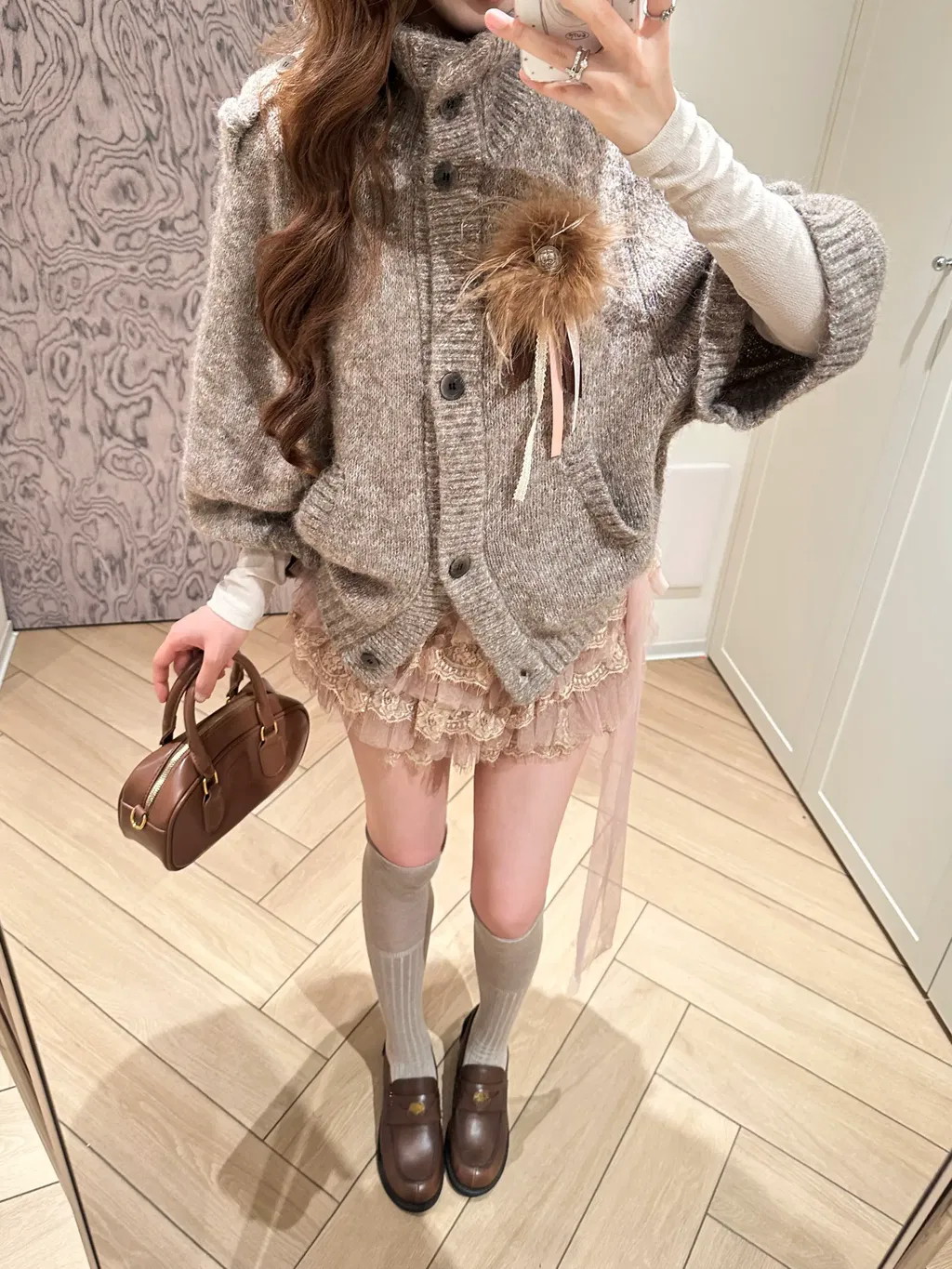
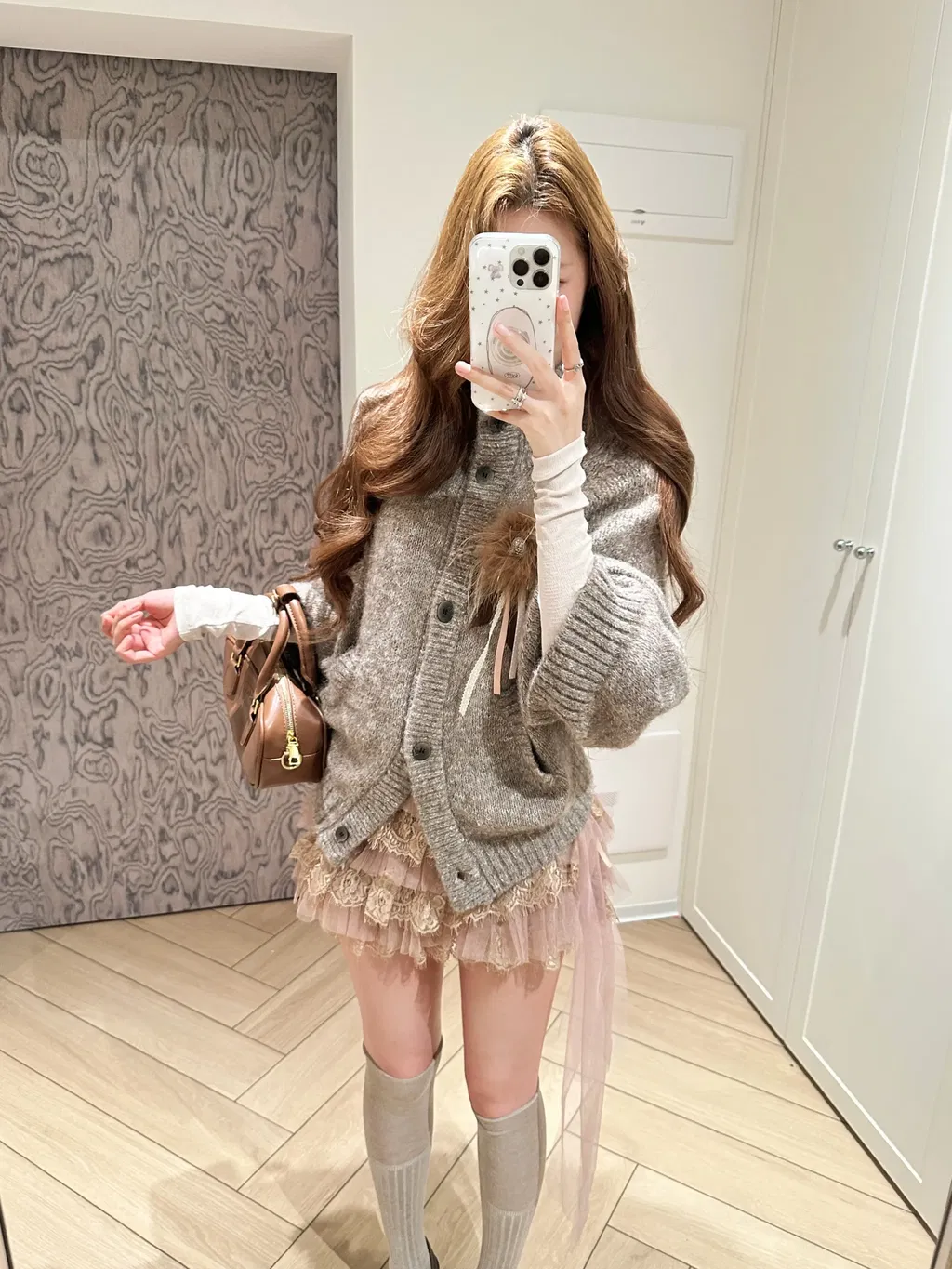
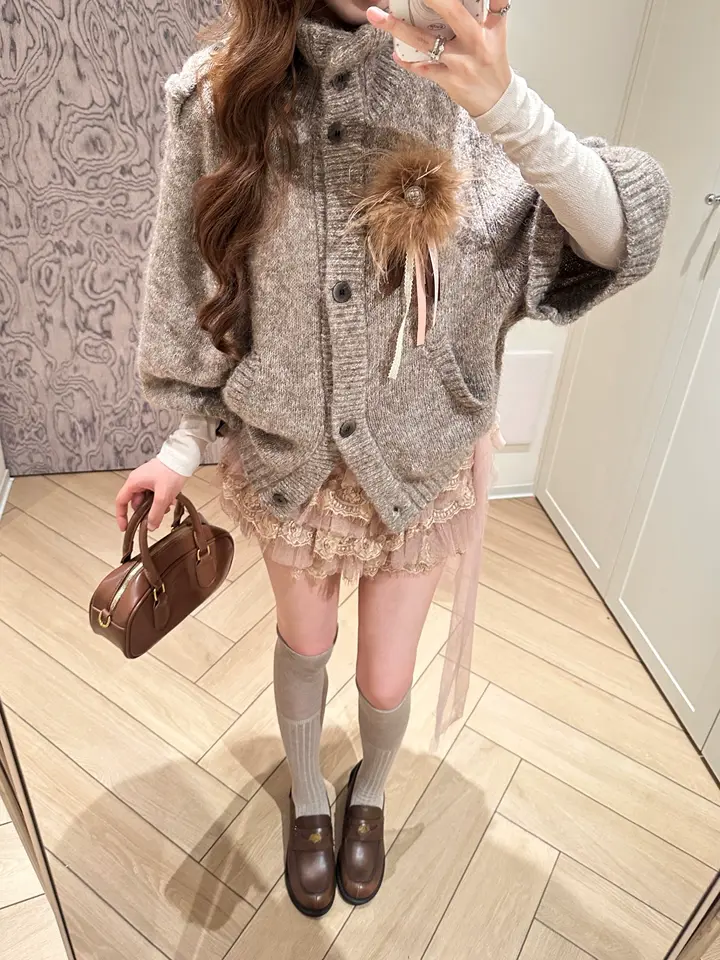
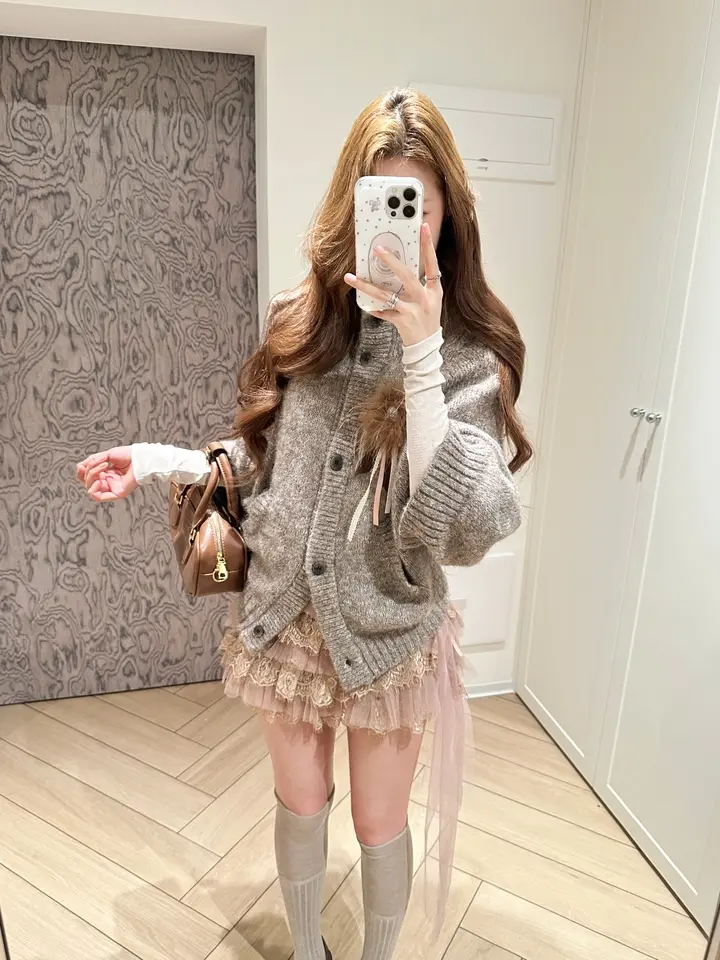
Look closely at a Selene Chow bodice and you can see where the training went: boning set by hand, a seam that curves rather than darts, a hem weighted so the fabric falls instead of flaring. This is not what most people picture when they hear "made in China." For years that phrase meant volume — a factory, a margin, a copy of something shown in Paris six months earlier. A younger generation of designers has spent the last decade dismantling it, and the most interesting of them are building something closer to couture than to commerce. These are the studios pushing Chinese fashion toward luxury, and here are five worth knowing by name.
Selene Chow, the couturier
Selene Chow is the clearest argument that a Chinese label can play the couture game on its own terms. The gowns are built, not draped over a form and pinned — there is structure under the romance, corsetry that holds a silhouette through a full evening. What sets the studio apart is its refusal to choose between East and West. A modern cheongsam might arrive with a mandarin collar and a bias-cut skirt that would look at home on a 1930s Hollywood staircase; a floor-length gown borrows the pale, powdery palette of a Song-dynasty scroll and then engineers it with the discipline of a French atelier.

The petal-toned eveningwear is where the studio is most fluent. These are clothes for a specific kind of occasion — a wedding you are in rather than at, a gala where the photograph will outlive the night — and they are cut to reward being seen up close. Look at the necklines: a portrait collar that frames the collarbone, a back dropped just low enough to matter. Where beading appears it stays tonal — ivory on ivory, champagne on champagne — so the eye reads texture before it reads shine. The color work is subtle enough that it never lands as bridal-shop pastel; it reads as restraint.

Seen together, the full run of Selene Chow gowns → makes the studio's ambition plain: this is couture logic applied to clothes a real woman can actually order and wear.

Blood Supply, romance with teeth
Where Selene Chow is luminous, Blood Supply is nocturnal. The label works a dark-romantic seam — Victorian mourning dress reimagined by someone raised on horror films and old McQueen runways. Corsetry returns here too, but sharpened: laced backs, boned bodices, skirts that pool like spilled ink. It stays gothic without tipping into costume, because the tailoring is genuinely good — the drama lives in the cut, not in a pile of applied hardware. For anyone who has waited for dark-romantic design → to graduate from subculture to atelier, this is the studio.
SMFK, the cult of the compass
SMFK is the closest thing on this list to a streetwear name, and even that undersells it. The label built a following on a single motif — a compass-hardware detail that surfaces as a clasp, a stud, a signature you learn to read across a crowded room. That kind of discipline is rare. Rather than chase a new logo every season, SMFK has treated one idea as a house code and let the clothes accrue meaning around it. The result is a cult label in the true sense: pieces that mean more to the people who recognize them. Its cult-favorite designs → sit at the graphic, harder-edged end of the room.
The architects: Soote Season and SRYS AME
If Selene Chow works in romance and Blood Supply in shadow, Soote Season and SRYS AME work in structure. Both trade in architectural contemporary tailoring — clean lines, considered proportion, the kind of quiet garment that looks like nothing on a hanger and completely different on a body. Soote Season leans toward soft minimalism: drape, a neutral palette, clothes designed to be lived in rather than performed. SRYS AME is more severe, with sharp shoulders, deliberate volume, and a fondness for the asymmetric seam. Together they make the case that the future of Chinese design is not only in spectacle and eveningwear but in the harder discipline of everyday tailoring done exceptionally well.
What actually connects them
The thread running through all five is intent. None of these studios is trying to make the cheapest version of a familiar thing; each is trying to make one specific thing well, which is the only definition of luxury that has ever held. That is why they belong in the same conversation as the European houses they once got compared to unfavorably — and increasingly, no longer do. See where they land this season in new arrivals →.