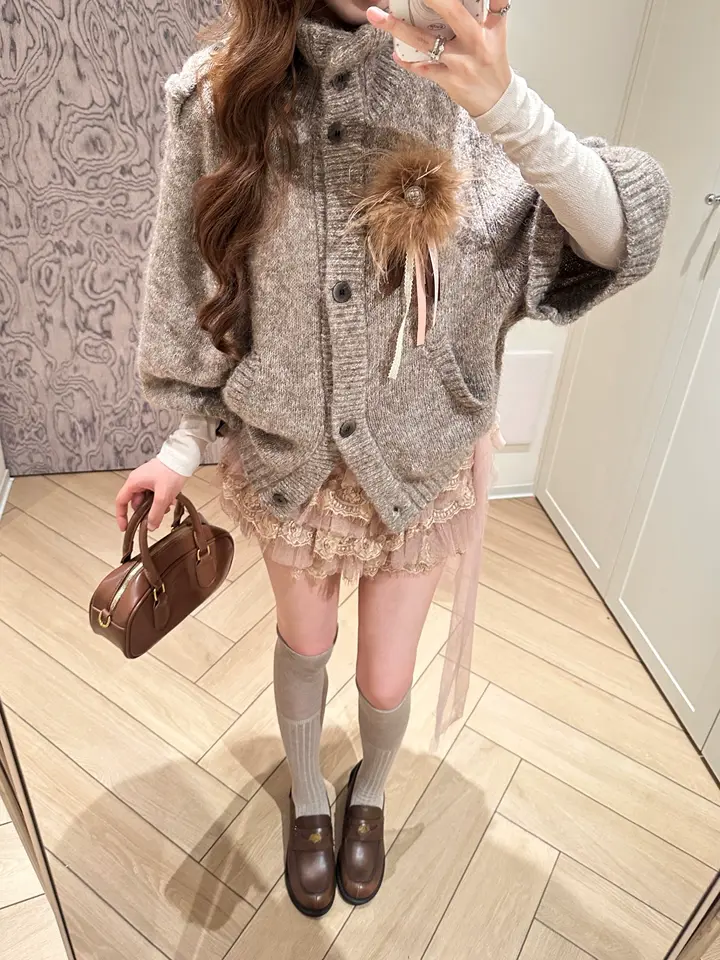
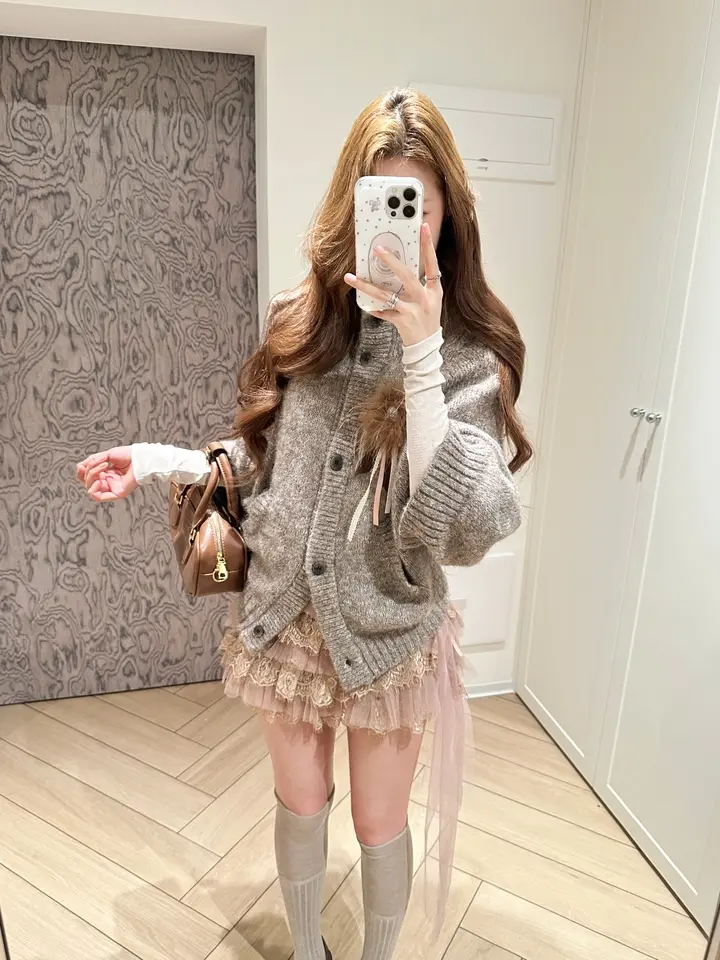
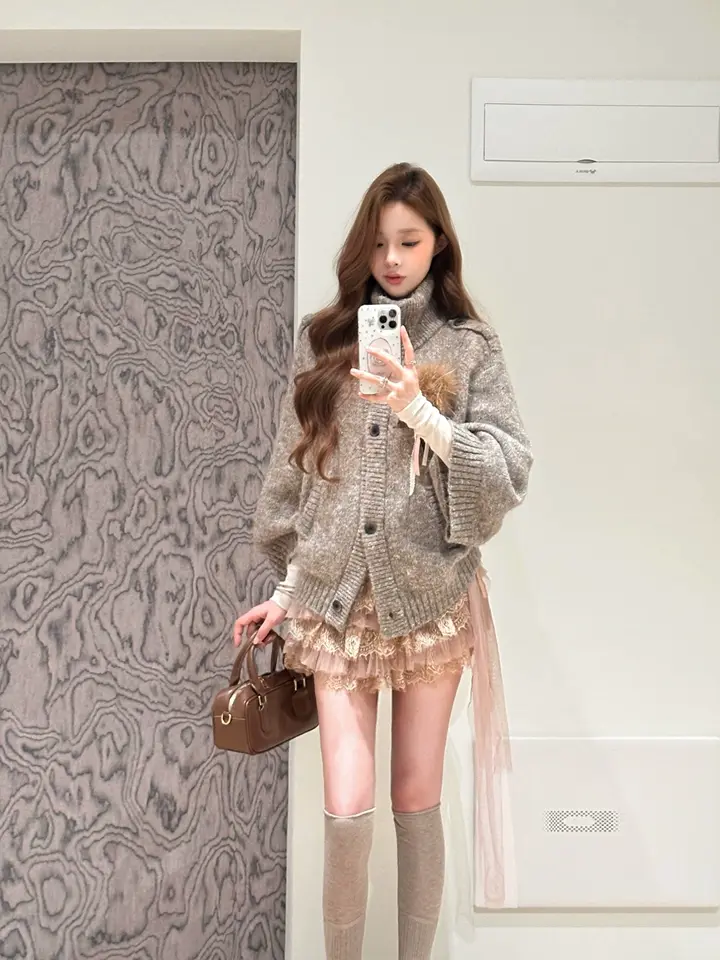
A ribbon tied at the collarbone does something almost no other detail can: it makes a room recalibrate its read on you in about half a second. Sweet, the eye decides — and then, a beat later, not entirely. That flicker of doubt is the whole point of the coquette aesthetic, and it is why the look has outlasted every prediction that it was a passing phase.
What coquette actually is
Coquette is hyper-femininity with a raised eyebrow. Lace, bows, ribbons, sheer panels, a palette that leans toward cream, blush, and inky black — all the vocabulary of the storybook heroine, deployed by someone who knows exactly what she is doing. It surfaced online in the early 2020s, a Tumblr-to-TikTok drift of soft-girl imagery set to melancholy pop, and it could easily have stayed there as costume. What kept it alive was the knowingness. Real coquette dressing is not innocent; it is innocence quoted with air quotes, sweetness worn like a private joke.
The trap is the costume version — head-to-toe bows, a bedroom's worth of lace, the general effect of a doll that has escaped its box. That is coquette for teenagers. What follows is coquette for the rest of us: women who want the softness without surrendering their seriousness, who would rather be the most interesting person in the room than the youngest.
The one-piece rule
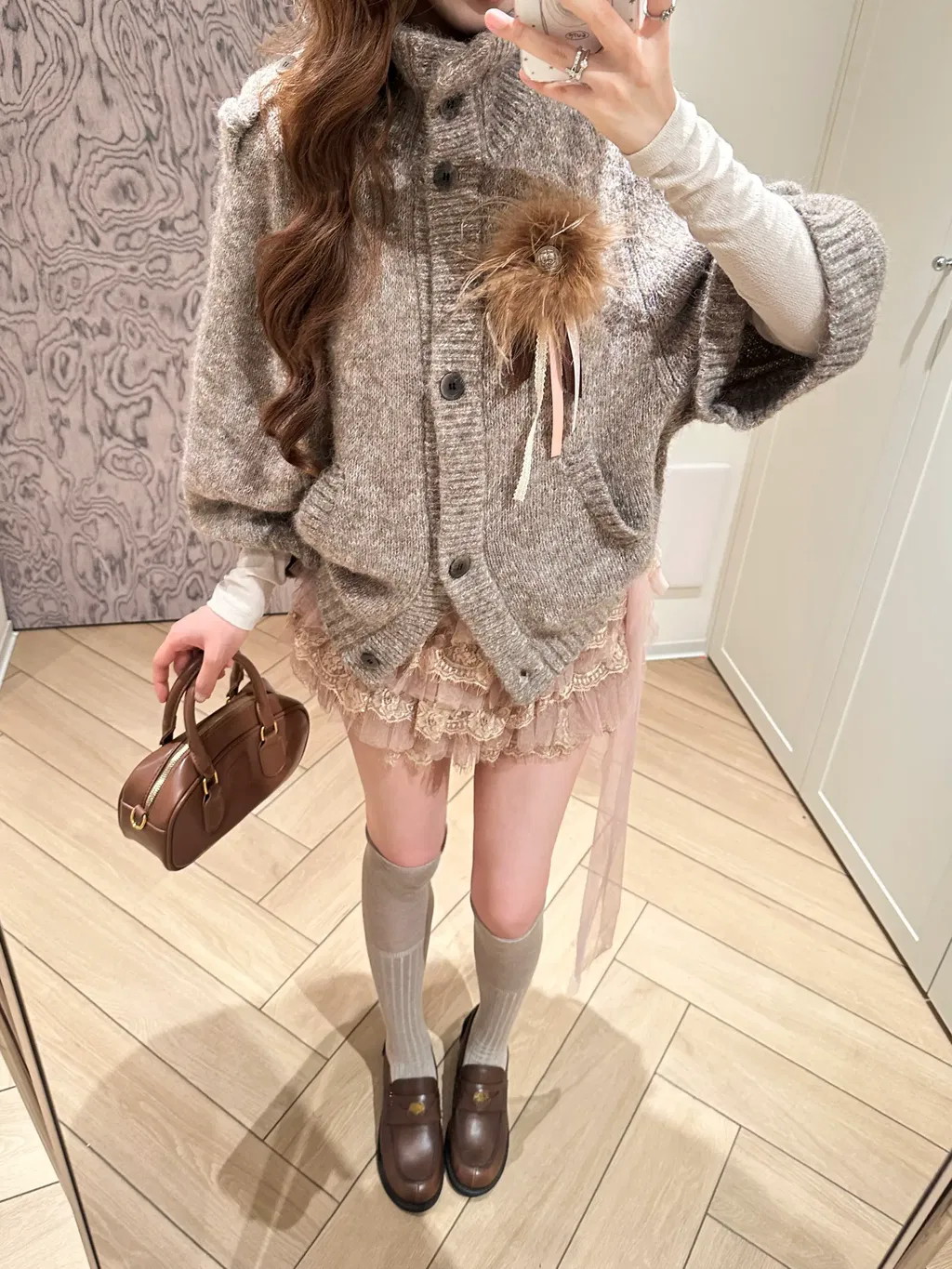
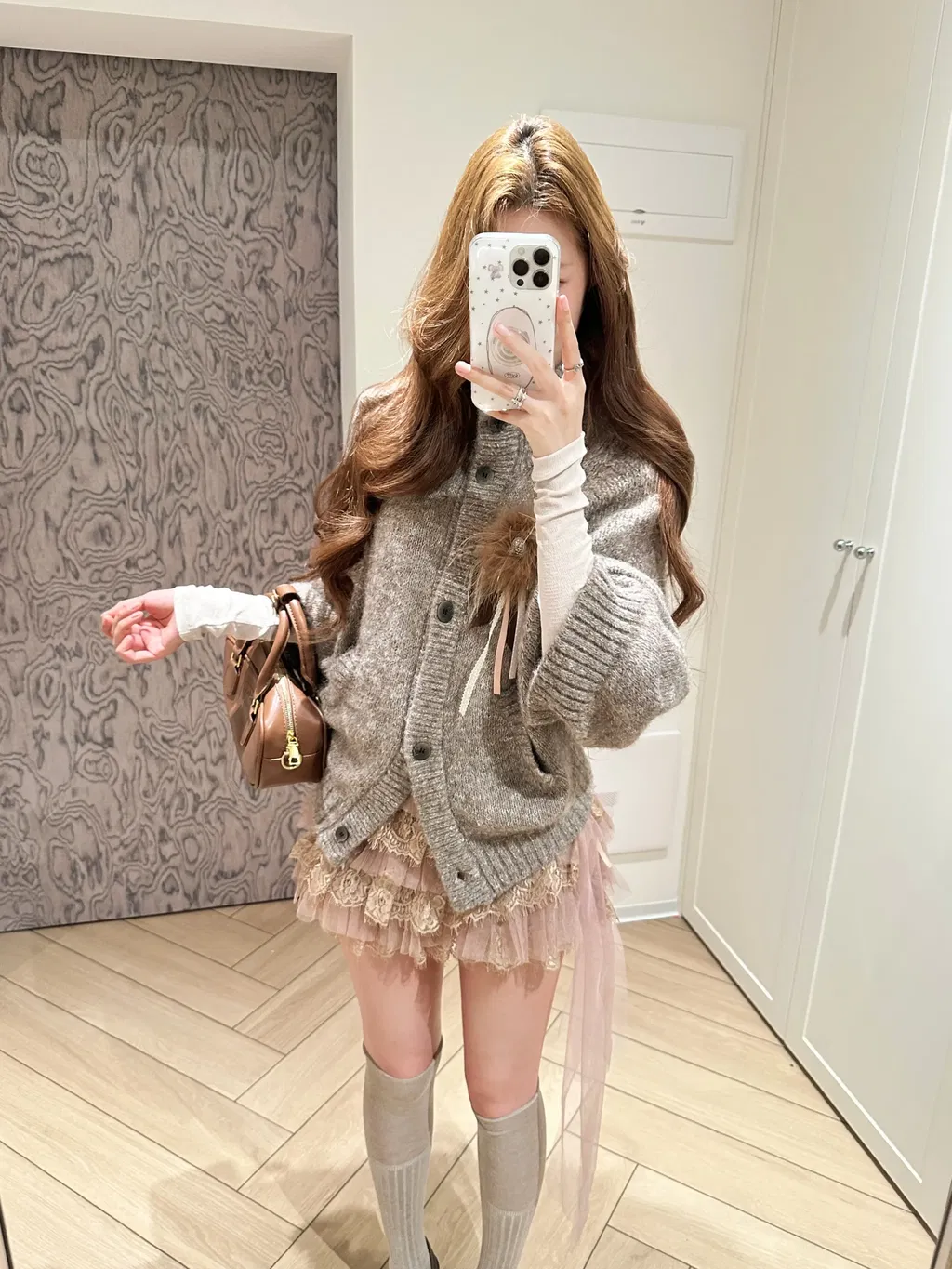
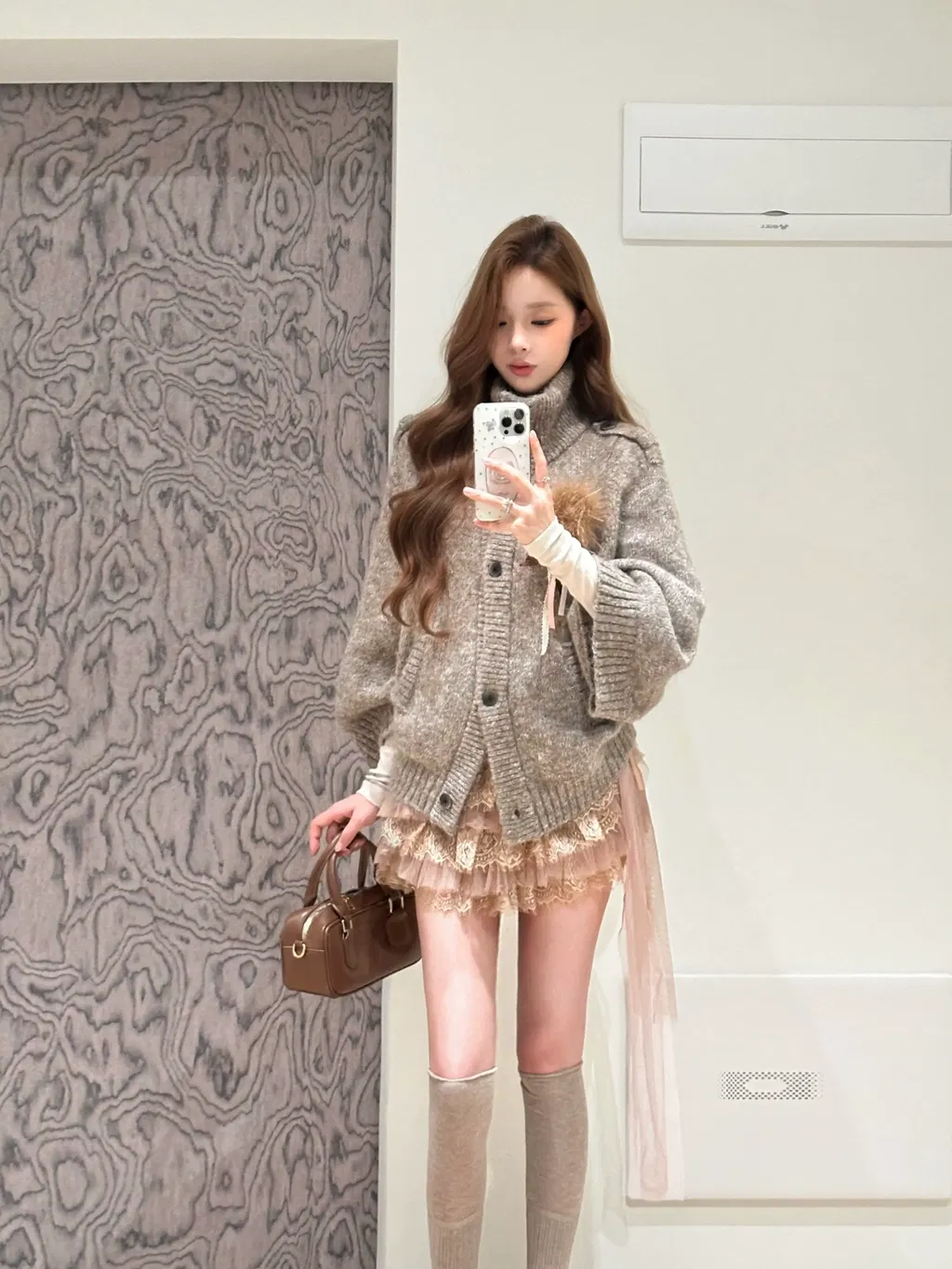
The single most useful principle is restraint: let one coquette element speak, and keep everything around it plain. A lace camisole is disarming under a sharp blazer precisely because the blazer means business. A ribboned blouse earns its softness when it sits above flat-front trousers and a clean shoe. Femininity registers as a deliberate choice rather than a uniform when it has something austere to push against.
This is why the lace-spliced tee is such a quietly clever piece. It reads as an ordinary T-shirt from across the street — the most unbothered garment anyone owns — and only reveals its lace insets up close. Worn with denim or wide trousers, it does the coquette work without ever announcing it. The lace does the talking so you don't have to.

Lace, without the lace looking back at you
Lace is the material most likely to tip into twee, and the fix is contrast in texture, not only in silhouette. Set fine lace against something with weight — one of our wool coats →, a heavy trouser, a leather bag — and it stops reading as lingerie-adjacent and starts reading as fabric with intent. A gray lace set does more work here than an ivory one; the cooler, dustier tone strips out the sugar and leaves only the delicacy.

If a full set feels like a lot, borrow only the lace top → and ground it in a plain skirt → or tailored trousers. The point is proportion: one delicate register, one solid one, held in balance so neither takes over.
Sheer, on your own terms
The sheer, laced-up blouse is where grown-up coquette gets genuinely interesting — skin treated as a design element rather than an invitation. A mesh, backless blouse under a blazer at dinner, or tucked into high-waisted trousers with nothing but a good coat thrown over it, turns transparency into texture: cool, a little architectural, never coy. It is the difference between wanting to be looked at and deciding what people are allowed to see. The lace-up back is the flirtation; the tailoring is the sentence that finishes the thought.

Bows are punctuation, not paragraphs
Treat a bow the way you would a strong perfume: one, placed well, is memorable; several is a headache. A single ribbon at the neck of an otherwise minimal outfit, a bow at the cuff, a satin tie cinching a plain shirt — these read as wit. The instinct to add a second and a third is really the instinct to over-explain the joke, and the joke is always better left half-said.
Handled this way, coquette stops being a costume you climb into and becomes a register you can move in and out of — sweet on Tuesday, severe on Wednesday, both at once when it suits you. That is the version worth keeping, and the only version that survives past your twenties.
Our newest lace, sheer, and ribboned pieces — the grown-up kind — are arriving now in new arrivals →.