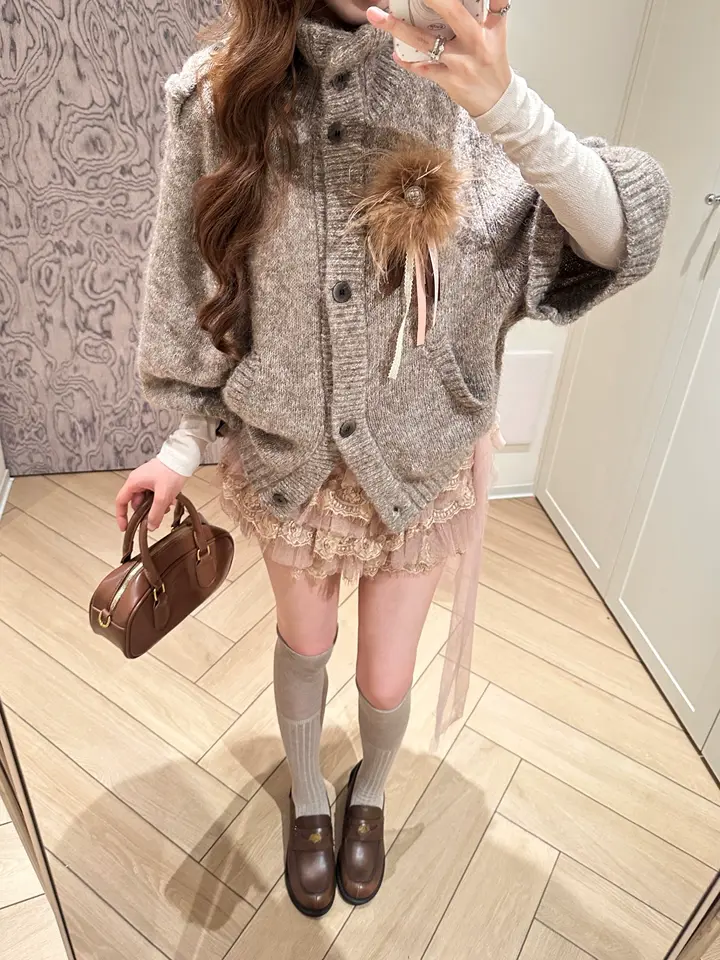
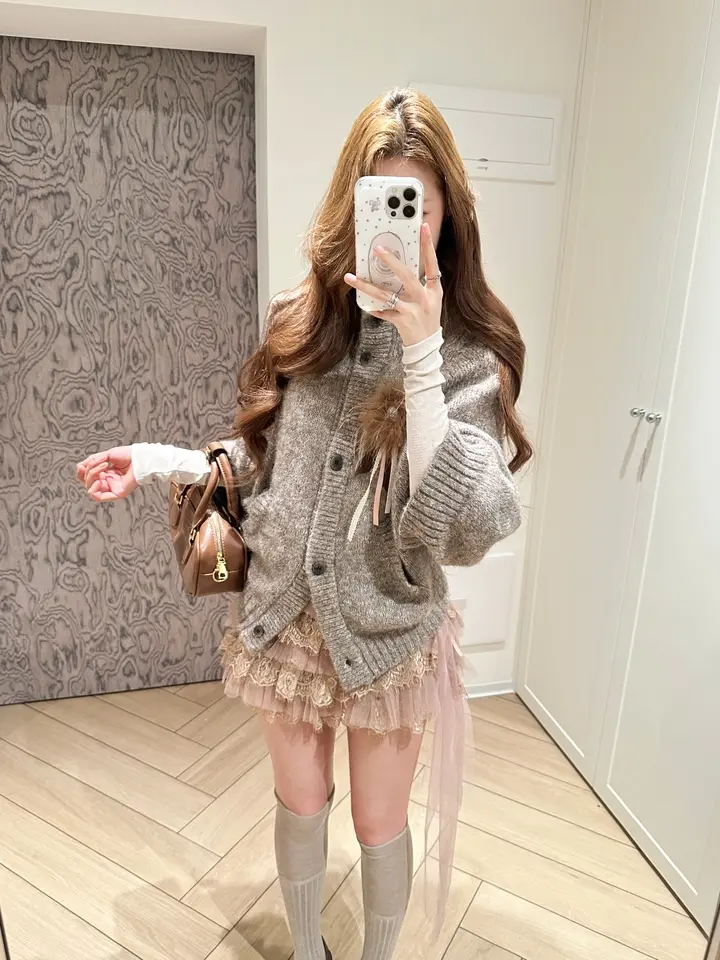
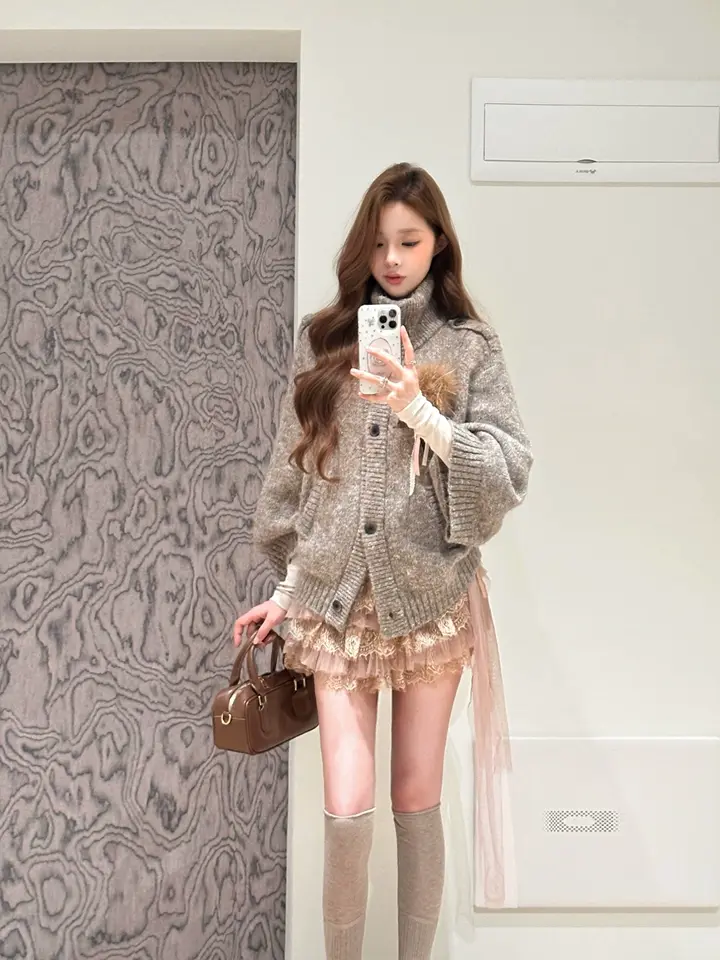
"China-side" started as shorthand — the tag people reached for when a jacket was obviously Chinese-designed but looked nothing like the souvenir-shop cliché of dragons and mandarin collars. It stuck because it names something real.
It isn't a house style. There's no single silhouette, no signature color, no manifesto pinned to a wall. What holds it together is an instinct, shared across a scatter of independent studios that mostly sell in limited drops and answer to no one but themselves.
What "china-side" actually means
Four instincts show up again and again. Heritage worn lightly — a frog button here, a brush-stroke print there, never the full costume drama. Streetwear in the bones, even on the pretty stuff; these designers grew up on graphic tees and cargo proportions, and it shows in how everything sits on the body. An eye for the odd charming detail — a misshapen pocket, a plush charm, a caption stitched where a logo should be. And a flat refusal to play safe. China side clothes commit to a bit. They would rather be a little too much than forgettable.
Put plainly: chinese fashion at this level isn't trying to look Western, and it isn't cosplaying the past either. It's doing its own confident third thing — which is exactly why the scene needed its own word for it.
Where it comes from
Context explains a lot. A generation of designers came up with world-class manufacturing an hour's drive away and the entire internet in their pocket. They could sketch something strange on Monday and hold a sample by Friday. That speed rewards specificity — a label doesn't need to please everyone when it can sell a 200-piece run to exactly the right 200 people.
So the aesthetic skews personal, occasionally feral, and allergic to the committee-approved blandness that sands the edges off so much mass-market chinese clothing. The weird detail survives because there's no boardroom to argue it out.
The labels that carry it
Explore 13DE MARZO → for the clearest way in. Its crying-teddy-bear charm — a small plush bear dangling from a blazer or hoodie, one frozen tear on its cheek — is the signature that launched a thousand imitators. Sharp tailoring undercut by something soft and a little sad. That tension is the whole idea.
Then there's BUM STUDIO →, streetwear that refuses to be serious — keyhole crop tees, low-rise buckle skirts, cheeky prints, the wardrobe of someone dressing for their own amusement first. For the darker end of that street lineage, ASGONY → swaps kitsch for moody, washed-out layering. The scene's harder edges — labels like AFGK and MASIWEI — live in the same neighborhood; asgony and bum-studio are the easiest doors in.
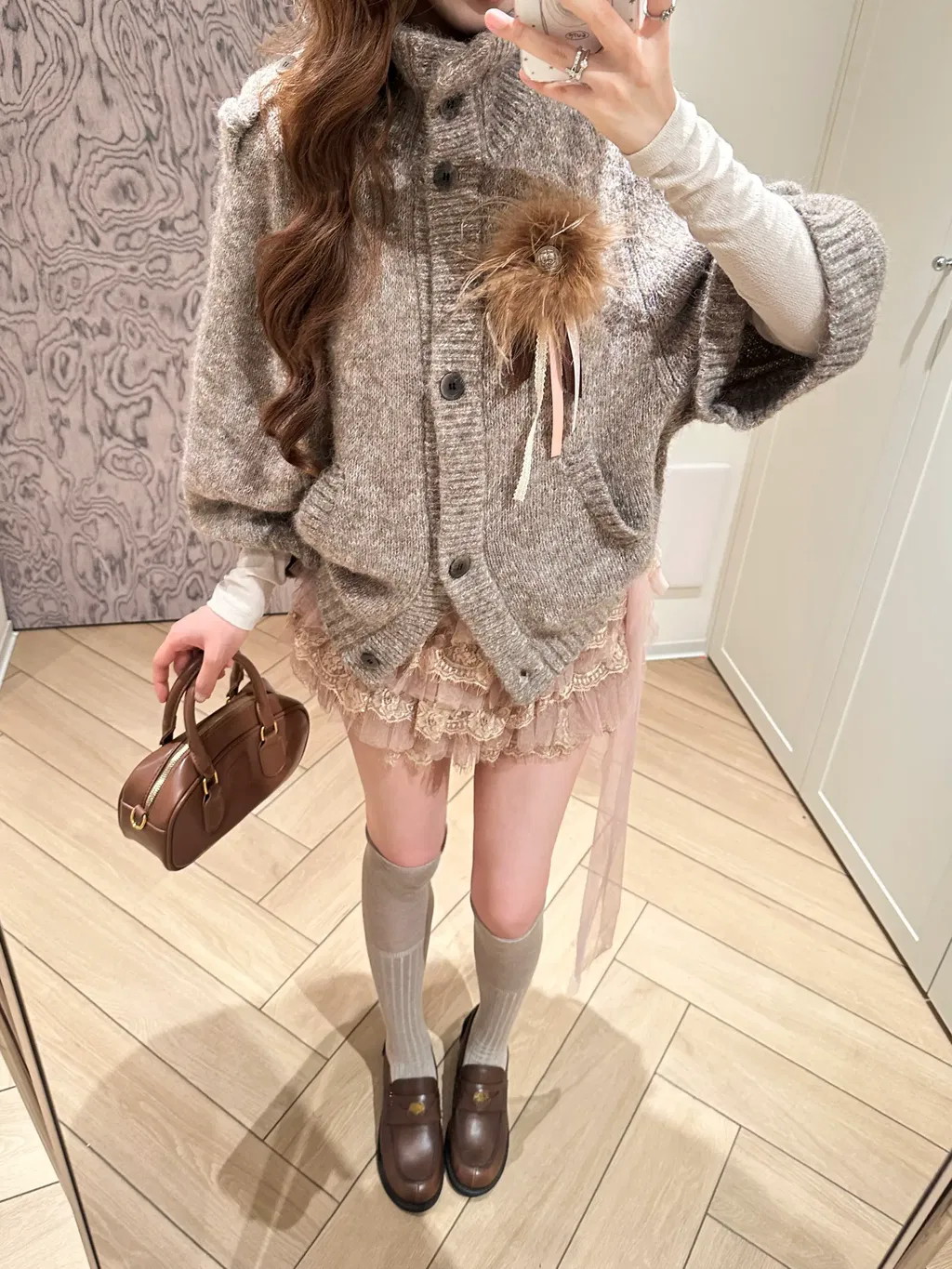
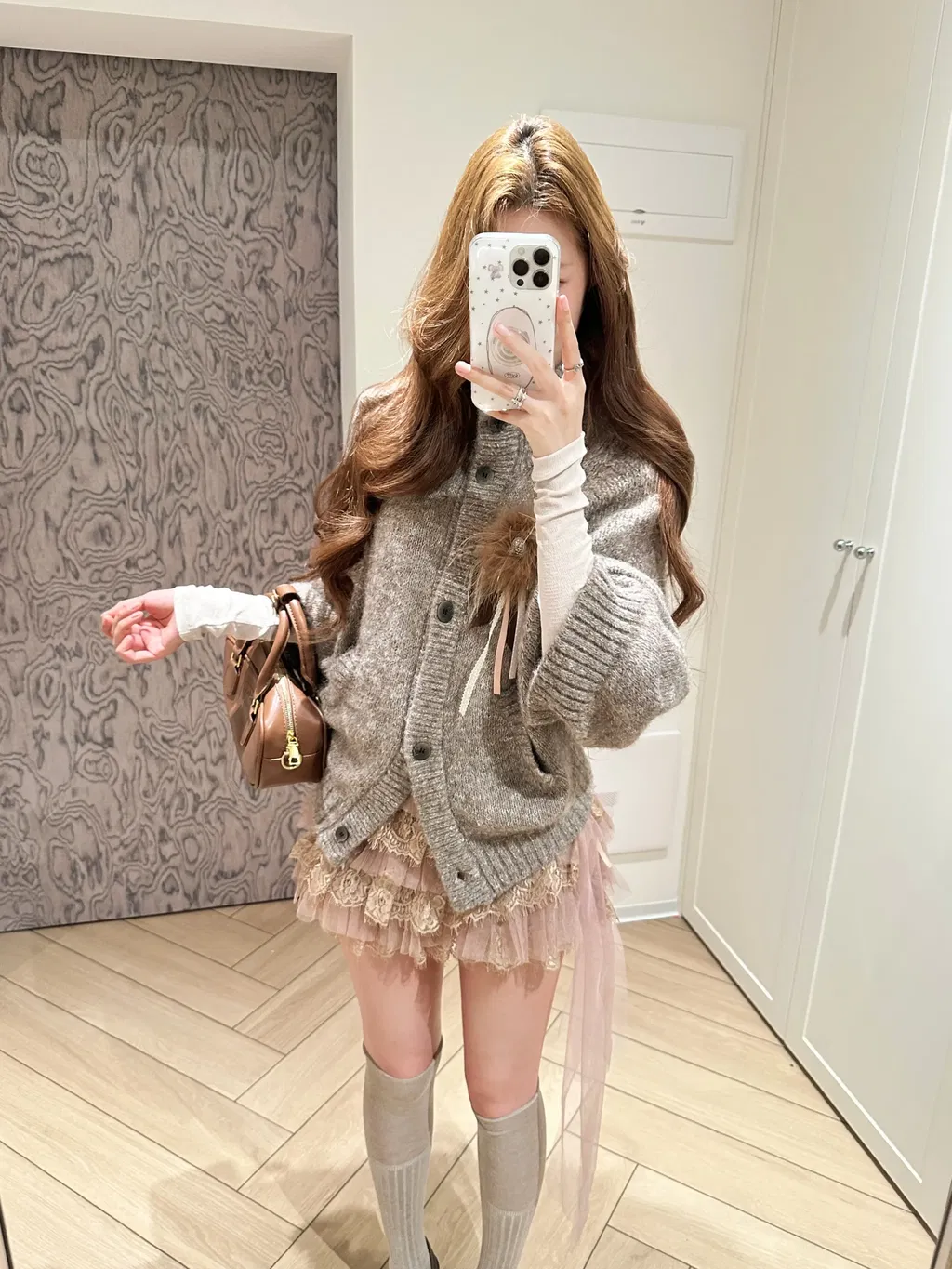
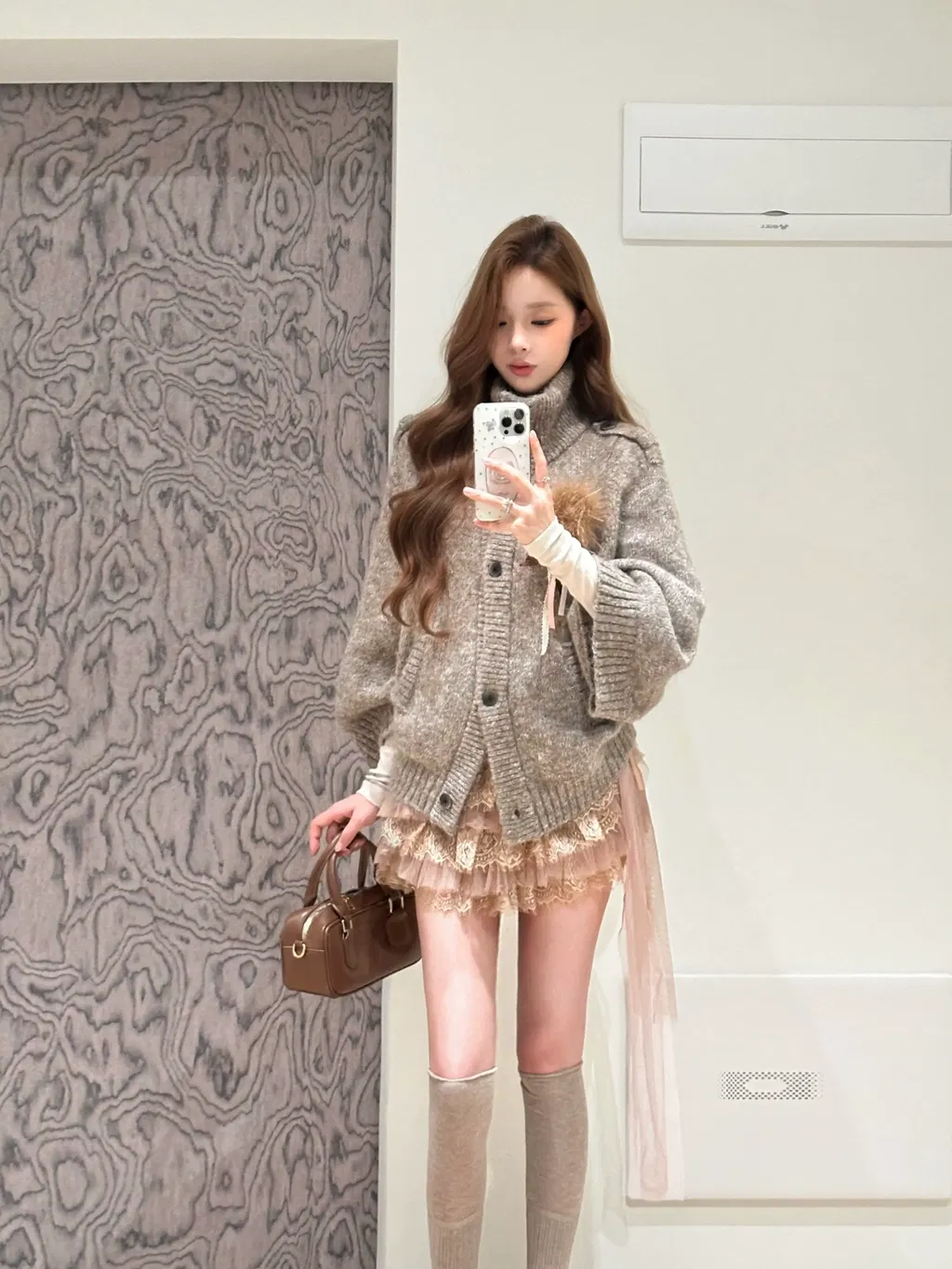
Not all of it shouts. SOMESOWE → works the quiet register — deconstructed knitwear, muted palettes, seams left a touch raw, clothes that look better the more they're lived in. LACEMADE → takes the romantic road, all lace panels and ribbon ties, coquette without tipping into costume. And RANDOMEVENT → holds down the utilitarian corner — washed hoodies, roomy cargos, the everyday uniform of the whole scene. Same sensibility, wildly different volumes.
How to actually wear it
The classic mistake is going full theme — stacking three loud pieces until you read as a mood board. One china-side piece per outfit is the sweet spot. Let it be the loud thing and keep everything around it deliberately plain: a teddy-charm blazer over a white tee and straight jeans, a SomeSowe knit with trousers you already own. The detail does the talking. You don't need to answer it.
The other rule — buy the weird one. The safe gray hoodie will be there forever. The odd pocket, the strange print, the piece that made you laugh in the fitting-room photos: that's the one that earns its place in the closet. That instinct, more than any single garment, is what chinaside is really about.
New names land here constantly, and half the fun is catching a studio before it breaks. Start with what's just arrived →, or see what the rest of the scene is reaching for in Trending Now →.