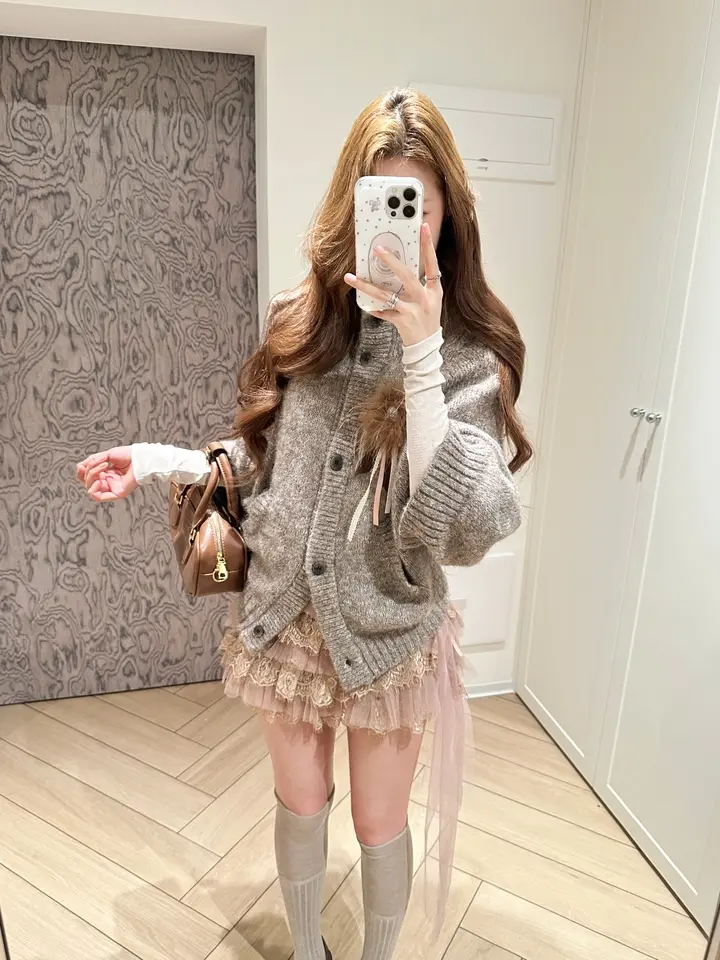
The midi skirt fails at a single point: the widest part of the calf. Land a hem there and the leg looks cut off, the ankle reads thick, and a good skirt turns dowdy. Land it an inch higher, at the narrowest part of the calf, or an inch lower, grazing the ankle bone, and the same skirt looks expensive. That is the entire puzzle of the midi — a length that punishes carelessness and rewards a little geometry more than any other skirt in your closet.
It is also the most versatile length once you solve it, which is why it deserves the effort. A well-placed midi works at a desk, at dinner, and on a Saturday with nothing on the calendar. Most people simply buy one, pull it on, and never ask where the hem is sitting.
Find the flattering inch
Before anything else, check the hem against your own leg in a mirror, in the shoes you actually plan to wear. The goal is the thinnest slice of leg on show — the ankle, or the tapered part just above it. If the hem hits the fullest curve of your calf, either the skirt is the wrong length for your height or you need to change the shoe. Height under the hem fixes most problems: a heeled boot or a pointed pump lifts the hemline's apparent break and lengthens everything below it. Flats can work beautifully, but keep them low-cut and skin-close — a ballet flat or a slim mule — so the ankle stays visible. A chunky sneaker or a clumpy loafer under a midi is where the length goes wrong for tall and petite women alike.
A slit or a split hem buys you insurance. It breaks the solid block of fabric at the calf, lets a sliver of leg through as you walk, and makes a heavier skirt read lighter.

The fall uniform: knit on knit
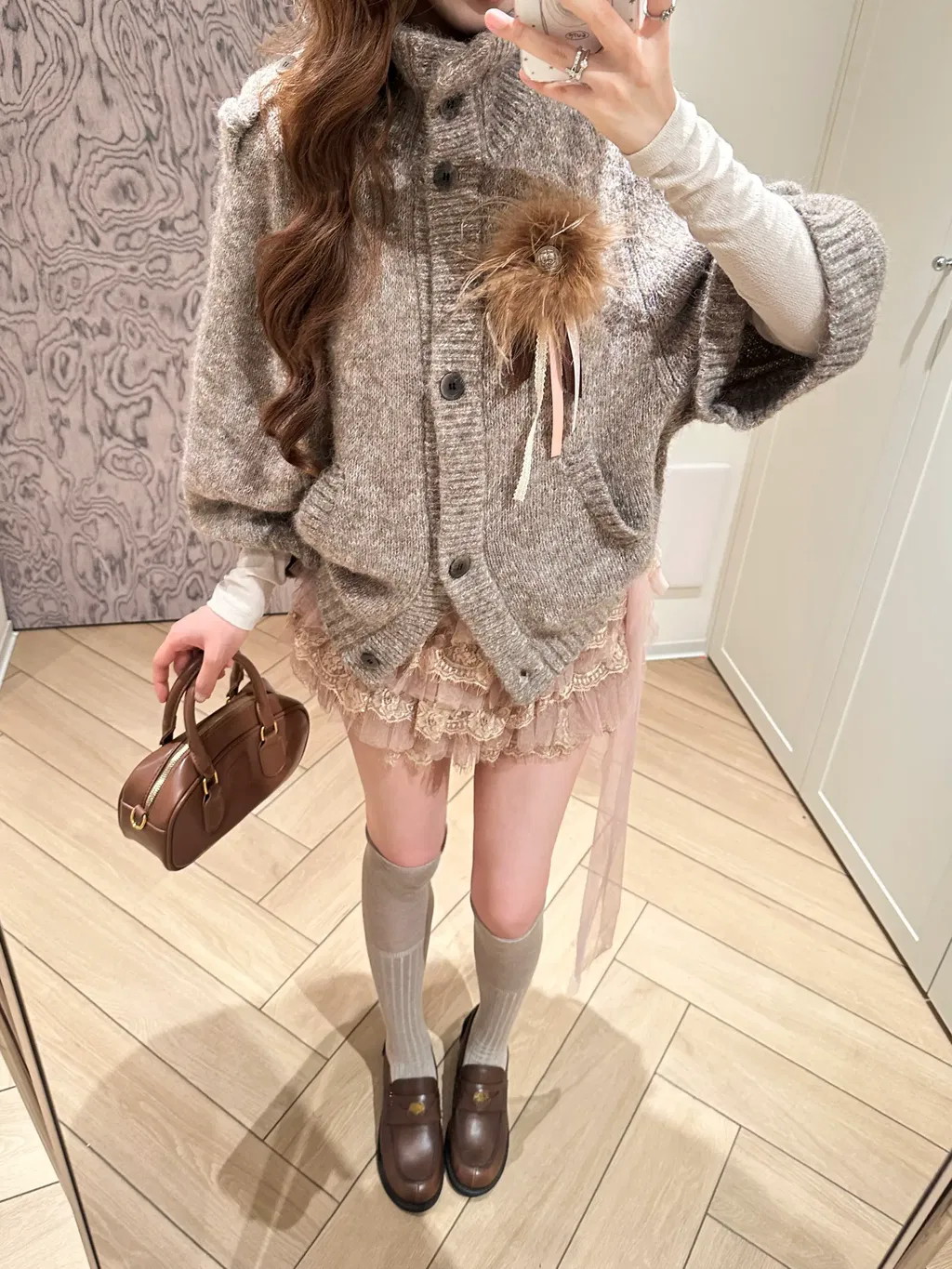
The single most reliable midi outfit for autumn is a knitted skirt with a knitted top — a ribbed or cable midi under a fine-gauge sweater, tucked loosely at the front so the waist is marked. Knit-on-knit sounds like it should read heavy; done right it reads quiet and rich, all texture and no fuss. Keep both pieces in the same tonal family — oatmeal on cream, charcoal on gray — and let the difference in stitch do the work. A beige knitted midi with a slightly cropped sweater is the whole look; add a boot and a long coat and you can wear it from October through March.
The trap is bulk. If the sweater is chunky, keep the skirt fine, and the reverse — two heavy knits at once turn the silhouette shapeless. Browse the fall sweaters → for the finer gauges that tuck cleanly, and pair them against the ribbed and cable midi skirts → that hold their shape through a full day.
Dress the satin one up — and down
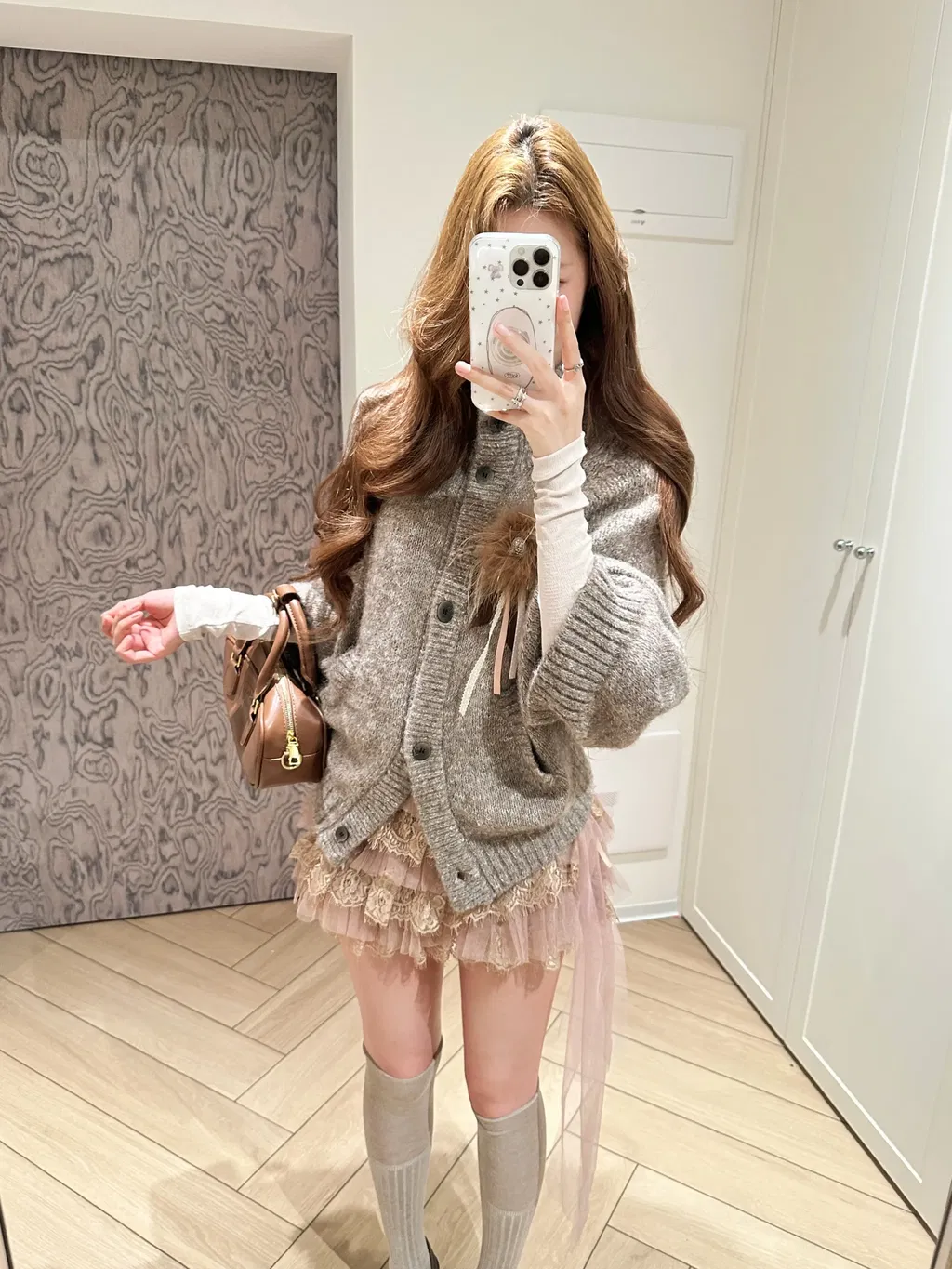
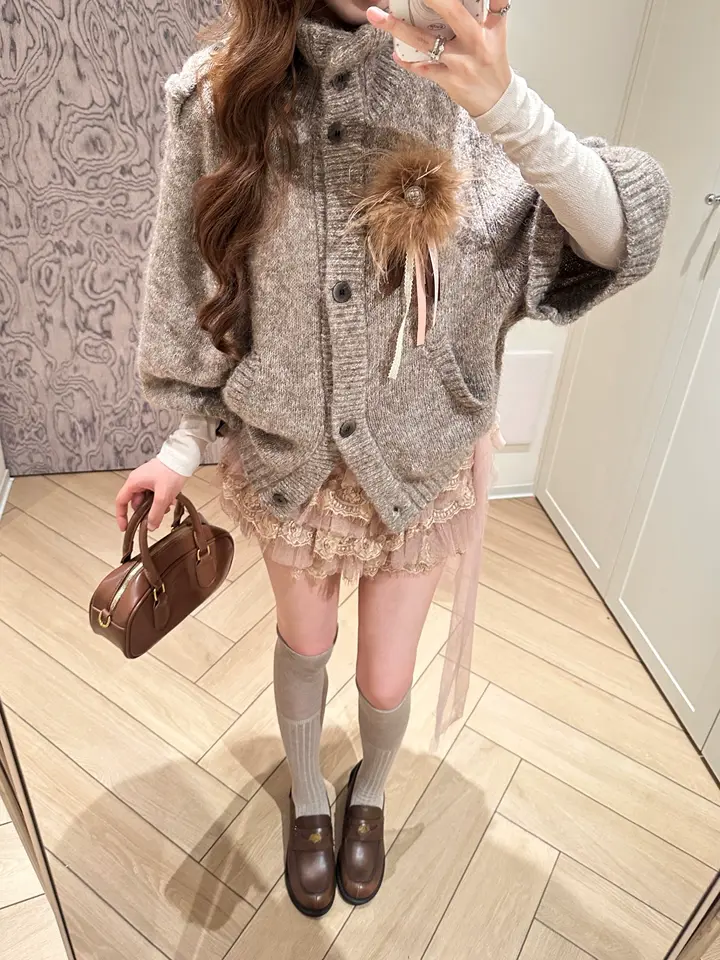
A satin or lace-trimmed midi is the piece that earns its place by refusing to stay in one register. On its own with a heel and a bare shoulder it is unmistakably evening. The more interesting move is to knock it down: a heavy knit sweater over the top, the skirt's sheen peeking out below, a flat boot instead of a heel. The contrast of matte wool against liquid satin is what makes it look considered rather than dressed-up. This is how a going-out skirt becomes something you wear on a Tuesday.

Balance the volume
Proportion is the last thing to get right, and it comes down to one rule: pick a focus, top or bottom, not both. A full, gathered, or bow-detailed midi carries volume of its own, so the top half should stay close — a fitted knit, a tucked shirt, a slim tee. A narrow or bias-cut midi can take a fuller top, a blouson sleeve, an oversized sweater left untucked. When both halves billow, the outfit loses its waist and the whole point of the midi — that marked, defined middle — disappears.
The other half of balance is the tuck. Even a loose skirt looks intentional when the top is tucked or half-tucked at the front to show where the waist sits. Leave everything untucked and a soft midi drifts toward pajama.

Get the hem right, mind the volume, and the midi becomes the least fussy, most-worn thing you own. See what has just landed in new arrivals → and find the length that sits right on you.