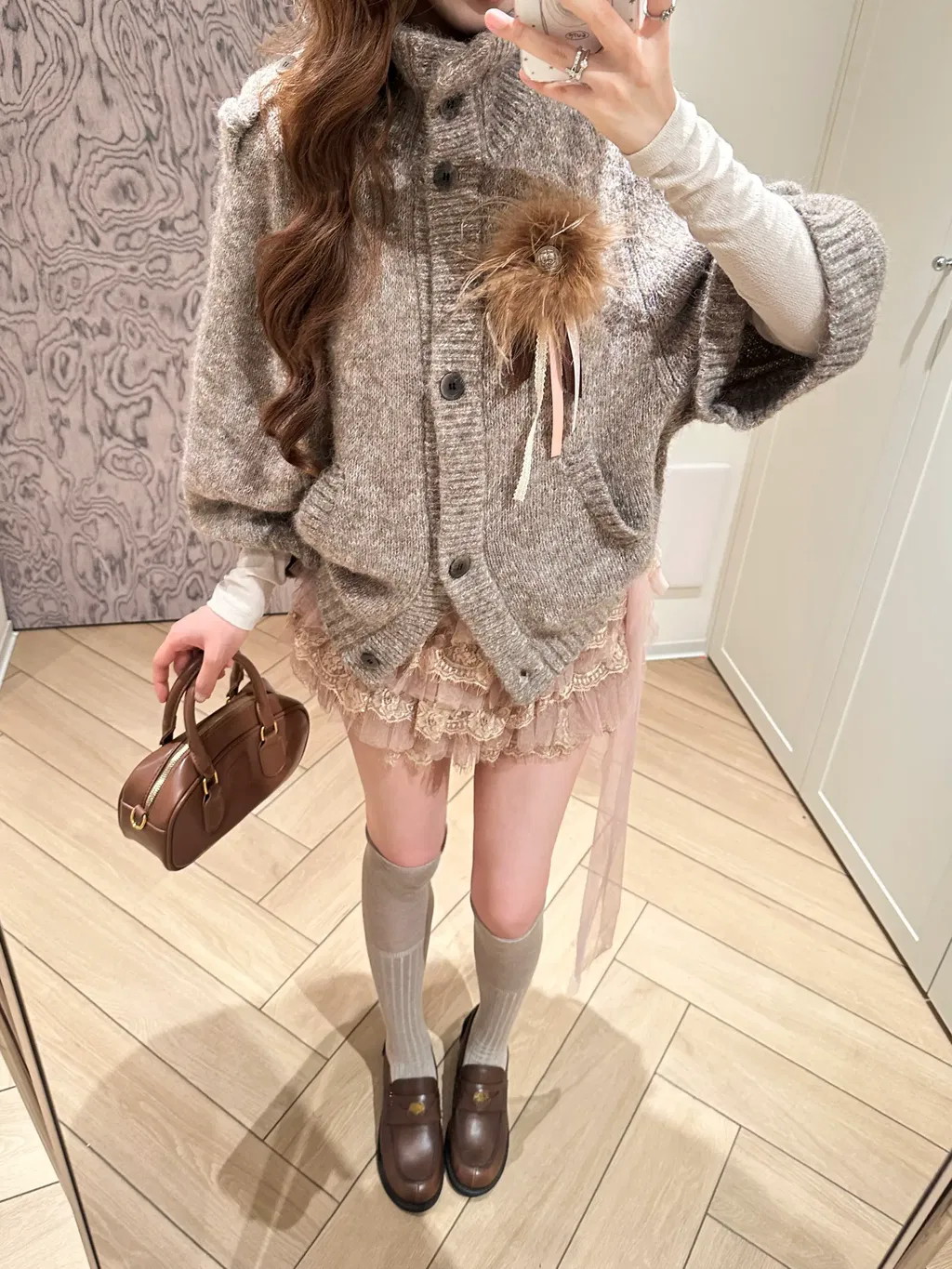
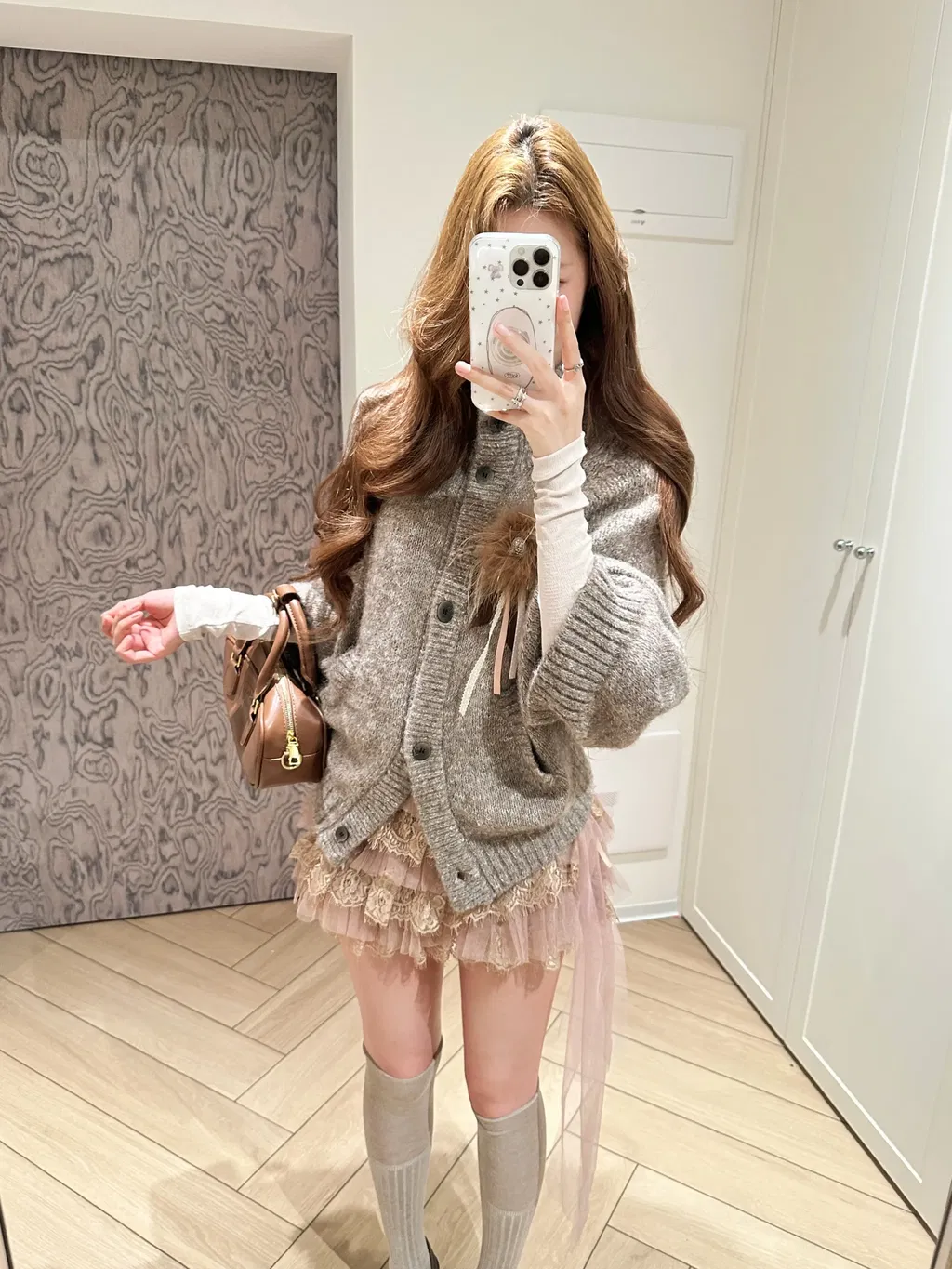
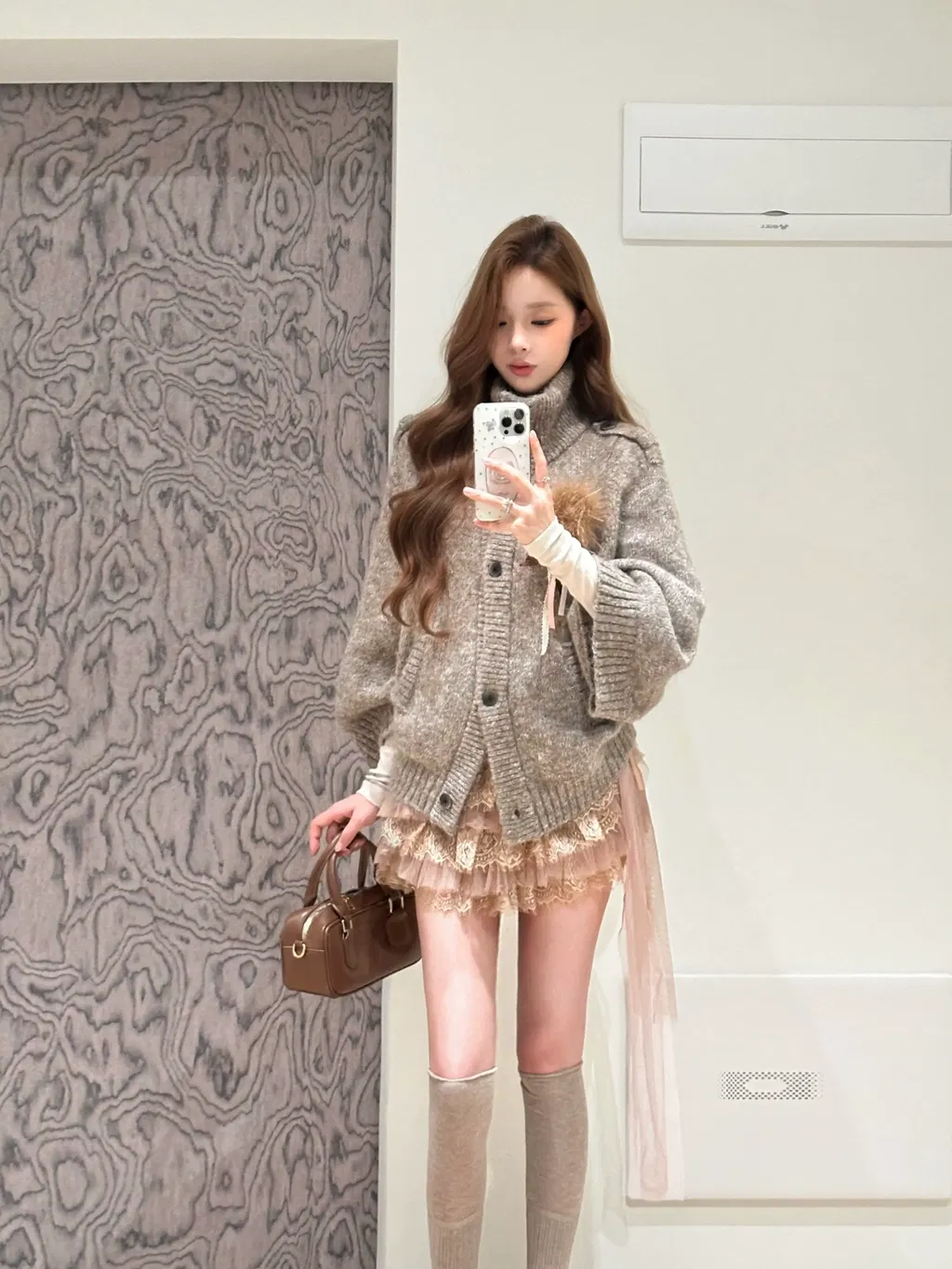
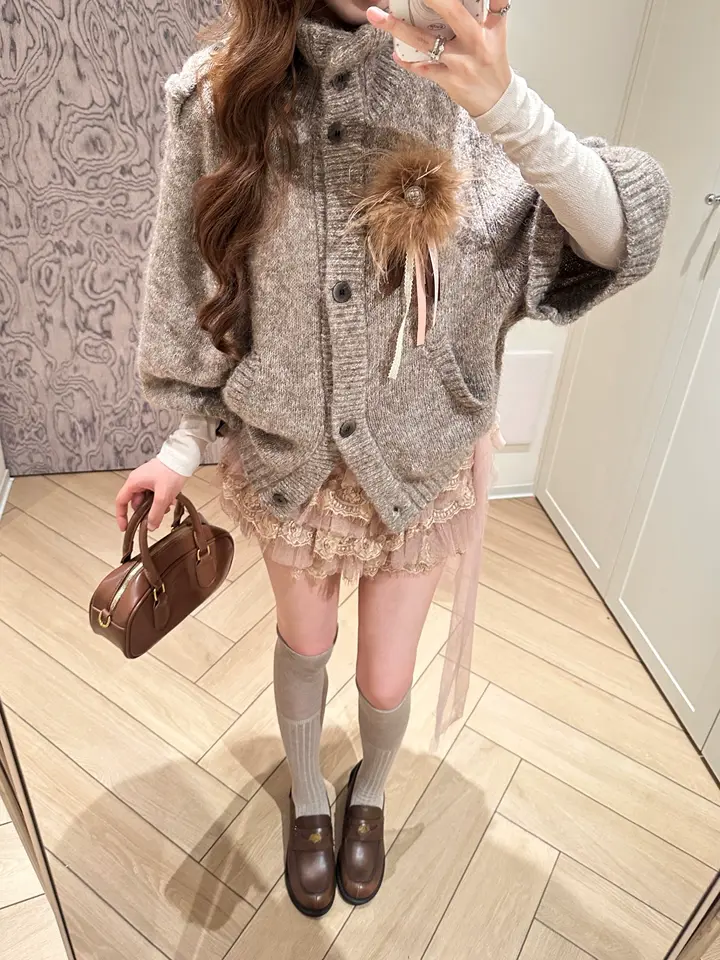
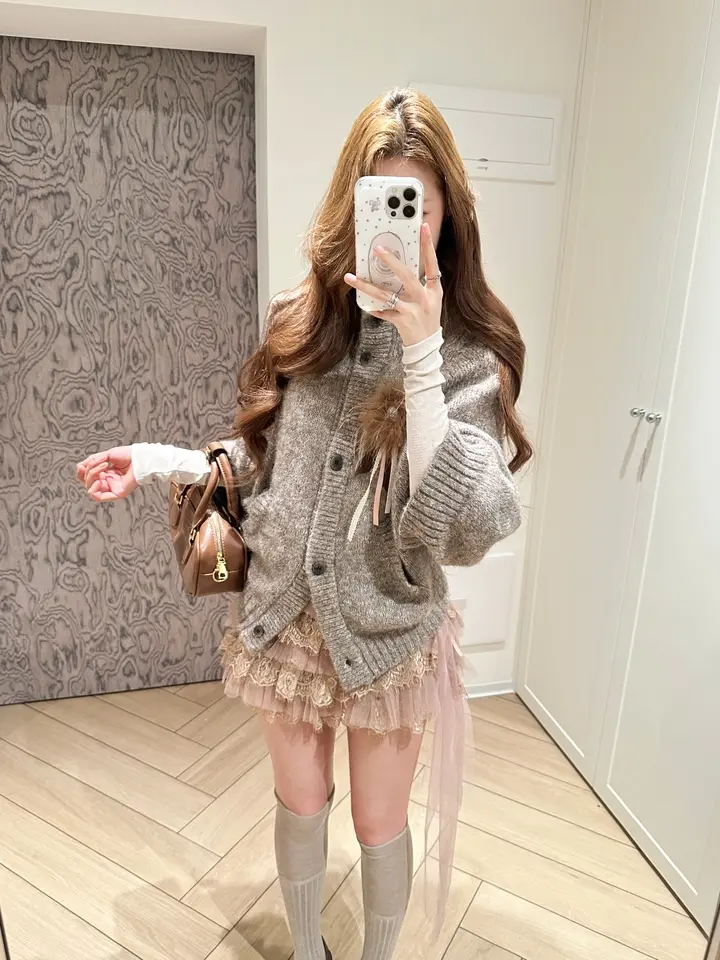
A sweater is the hardest thing to fake. Cut a mediocre dress and a good belt hides the sins; knit a mediocre sweater and every dropped stitch sits right there on your shoulder, in plain view, all day. So when two labels start treating knit as a construction problem rather than a comfort blanket, it's worth stopping to look.
That's the short version of why Chinese knitwear has gotten genuinely interesting this cold season. VIA PITTI and 1JINN STUDIO come at it from opposite corners — one all Italian ease and clever hardware, the other closer to a tailor's studio — but both share the same refusal to let a jumper just be a jumper.
VIA PITTI — the sweater that changes its mind
VIA PITTI leans Italian in spirit, and I mean that as a compliment about attitude rather than a claim about postcode. The clothes are built around the idea that one piece should earn its place twice. A cropped plaid sweater comes engineered to wear two ways — collar up, collar folded, buttoned into something prim or thrown open into something off-duty. Detachable collars turn a single knit into three different necklines depending on your morning.
It's fussy in the best sense. The two-way plaid cropped sweaters are the signature to know — a check that reads heritage from across the room and reveals its cheekier crop up close. This is knitwear for someone who resents packing, who wants the sweater that becomes a top, a layer, and a statement without needing three separate hangers. Practical, but never boring about it.
1JINN STUDIO — knit that thinks it's tailoring
If VIA PITTI is about ease, 1JINN STUDIO is about architecture. The label treats knitwear the way a tailor treats a jacket — with shoulders, with structure, with a point of view about how the body sits inside it. The bolero shrugs are the calling card: cropped, sculpted little pieces that frame rather than swaddle, the kind of thing that turns a plain slip dress into an outfit with an opinion.
And then there's the matching knit set, which is where 1JINN really shows its hand. A coordinated top and skirt — or top and trouser — cut so the ribbing lines and proportions actually talk to each other. Most brands sell a "set" that's really two items photographed together. These are designed as one silhouette that happens to unzip into two. Buy the pair and you own a full look; split them up and each half quietly upgrades everything else in the closet.
Why bother with Chinese knitwear this winter
Here's the honest case. The independent studios coming out of China right now are working at a scale where a designer can obsess over a single collar or the exact drop of a shoulder seam, and it shows in the details you feel more than see. There's less hedging toward a mass-market middle. A bolero is allowed to be a bolero. A plaid can be a bit strange. That specificity is exactly what mass-market knitwear sands off — and exactly what makes a piece feel like yours rather than everyone's.
Cold-season dressing rewards this kind of thing, too. When half your outfit is hidden under a coat, the knit becomes the whole event the moment you walk indoors. It had better be good.
How to actually wear a knit set
The instinct with a knit set is to treat it like loungewear and stop there. Resist. The whole appeal is that it reads as one deliberate piece, so lean into that — a 1JINN top-and-skirt set worn head to toe, with a sharp boot and a hard little bag, is closer to a suit than to pajamas.
Then break it up. The top half of a set over wide trousers. The skirt half under a crisp shirt. Slide a bolero shrug over the whole thing for shape. If you want the two labels to talk, pair a structured 1JINN bottom with a VIA PITTI two-way sweater up top — architecture below, cleverness above. One rule: let the knit be the loudest thing in the room. Keep the rest quiet.
Cold weather is the excuse; the construction is the reason. If you want to see what the new Chinese knit actually looks like on the rack, start with the latest arrivals → and work backward from there.