Is Chinese clothing good quality? Some of it is excellent and some of it is not, because China manufactures across the entire range, from the cheapest fast fashion online to carefully constructed pieces from designer labels. "Made in China" tells you where a garment was sewn, not how well. So the useful question isn't the country on the tag. It's whether the listing in front of you gives you enough to judge the piece. Here is how we read one.
Full disclosure: CHINASQUAD is a store, and every example below is a piece we carry from a Chinese label. We picked them because their listings show what to look for, and in a couple of cases, what a listing leaves out. If you're still weighing the basics of ordering across borders, start with our guide on whether it's safe to buy clothes from China.
1. Read the fabric composition line, all of it
The most useful line on any clothing listing is the fiber content. A product name tells you what the seller wants to emphasize; the composition tells you what you're actually getting. Kroche's Silk Wool Wrap Knit Top shows why you read to the end. The description calls it a silk and merino wool blend with a fine luster balanced by a matte finish, and the composition line does list mulberry silk and merino wool, followed by acrylic, polyester and nylon. That isn't a red flag. Synthetics are often added to knits for shape and resilience. But it's the difference between a pure silk knit and a blend, and an honest listing shows it.
Then compare the title against the description. OAKMOO's Stand-Collar Pure Wool Tailored Coat makes its fiber claim in the title, and NAWS's Straight-Leg Lyocell Denim Jeans names lyocell in the title, yet neither description gives a percentage breakdown. When the number isn't on the page, ask before you buy. Other Kroche listings, such as its trench jacket and parka, break composition out by shell and lining.

2. Look for a stated fabric weight
Weight is often left off listings, yet it's one of the most telling specs. DONSMOKE's Graphic Logo Fitted Hoodie states it plainly: 340g terry sweatshirt fabric, described as substantial, with a structured feel and slight stretch. The listing also gives the shell as cotton and polyester and says the print material is rubber paste, a useful detail if you care how a graphic sits on the fabric. A gram weight is something you can compare across listings. "Soft" and "thick" are not.
Browse the DONSMOKE collection and check which listings give a weight.

3. Notice the construction details a listing actually names
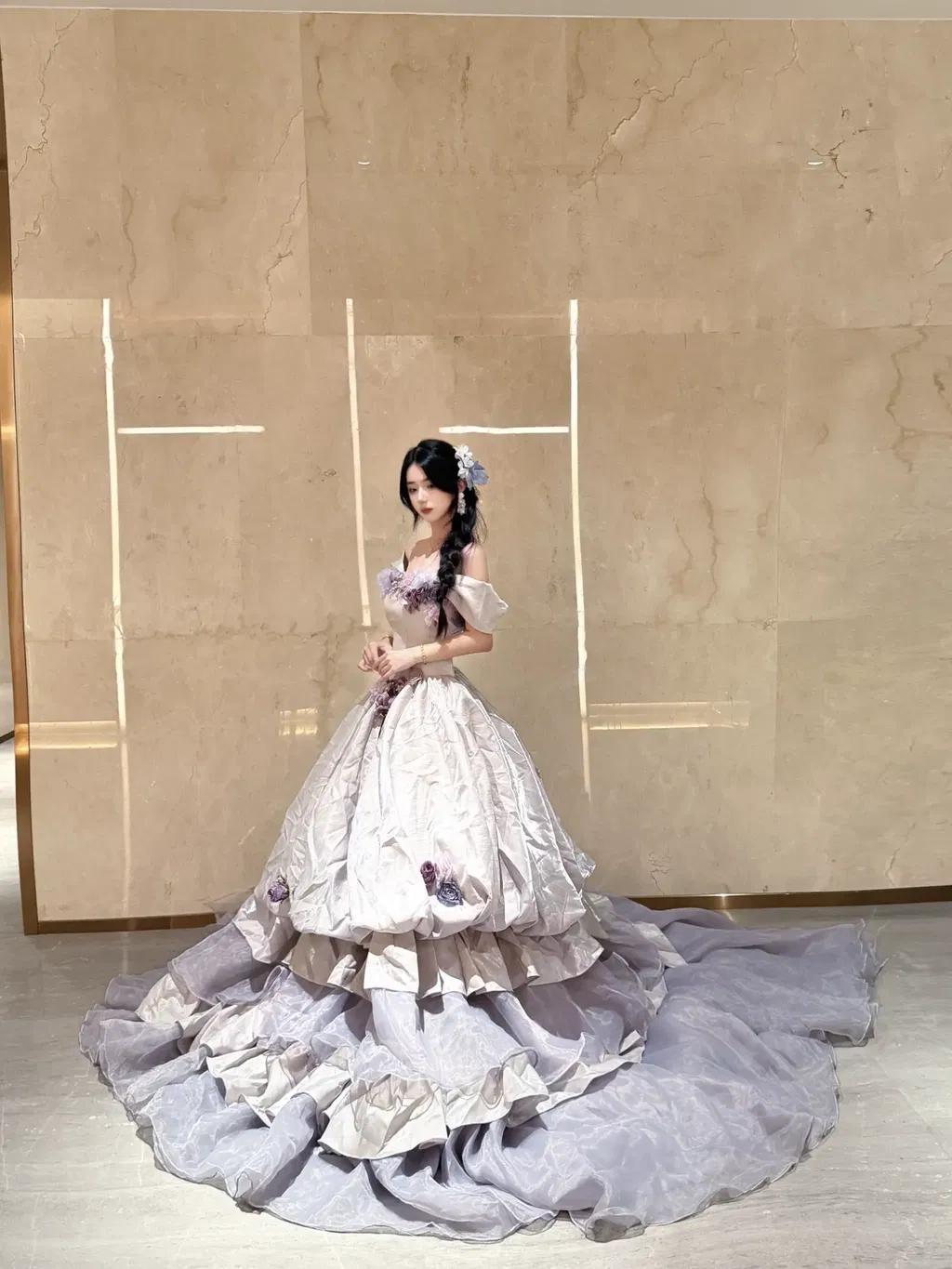
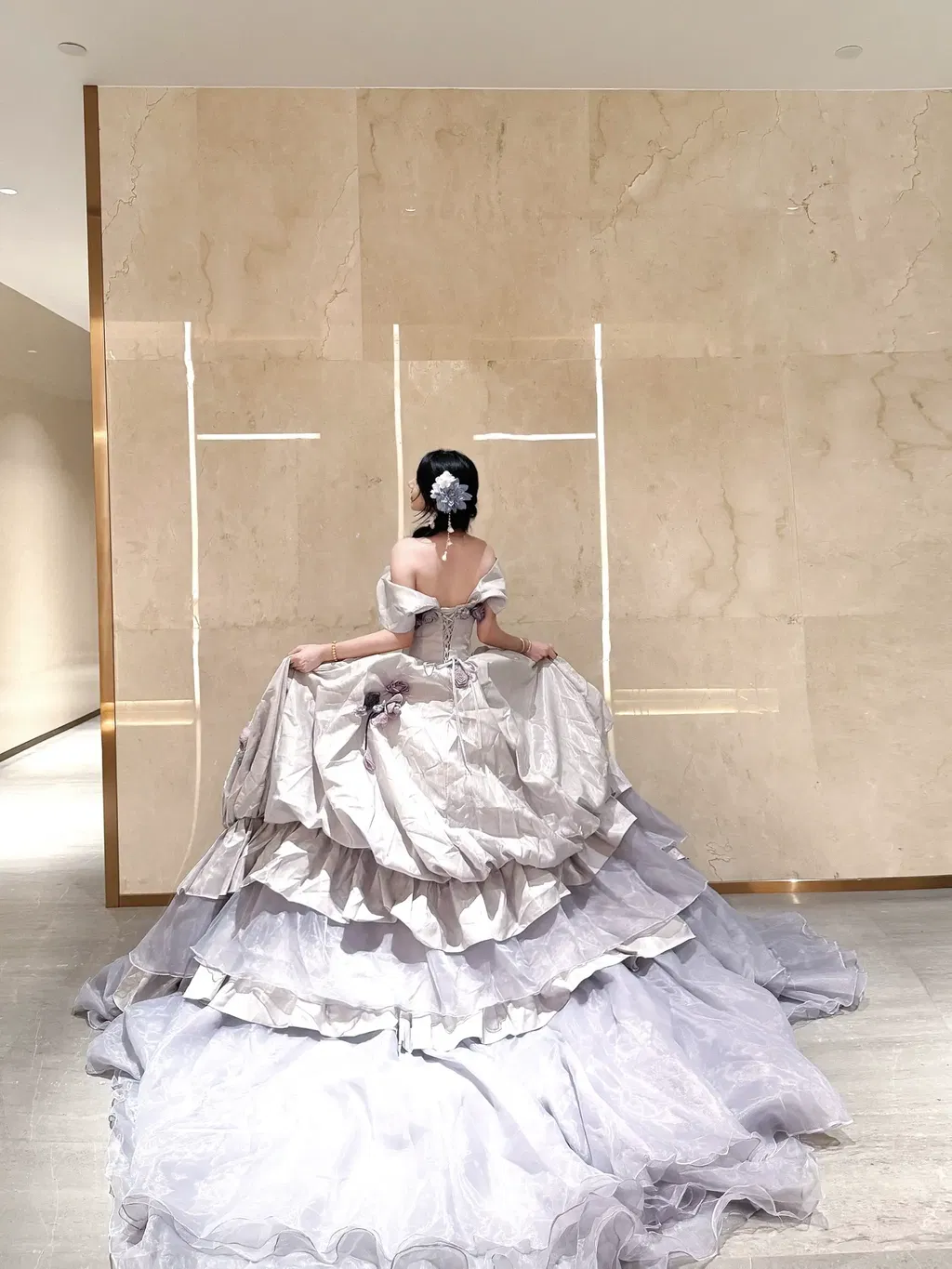
Good construction is mostly invisible in a photo, so the details a listing names matter. LACEMADE's French Boned Corset Skirt Set names a structured fishbone corset, and boning is what lets a bodice hold its line instead of collapsing at the waist. The same listing gives its fabric composition as unknown, so one specific detail doesn't excuse a gap elsewhere. Ask. See more from LACEMADE.
Outerwear is where named construction counts most. SRYS AME's Hand-Sewn Belted Wool Coat puts hand-sewing in its title and describes a 70% wool-blend fabric with polyester and a non-stretch, structured feel. The Double-Faced Wool Mid-Length Coat names its double-faced wool in the title and describes a structured shoulder line. Unawares' Seam-Sealed Hooded Rain Jacket says its seam-sealed construction helps keep out rain, a meaningful spec, since stitch holes are where a rain shell lets water in. FMACM's flight jacket names Thinsulate insulation in its title and lists a 100% nylon shell. Specific nouns like these are a good sign; vague adjectives like "premium" are not. Practice on our coats.
4. Know whether denim is raw or washed
Raw denim hasn't been washed after weaving; washed denim has been treated for a softer, broken-in finish. Neither is better, but raw denim usually starts stiffer and changes more with wear and laundering, so know which one you're buying. VERYRAREME's Raw Denim Low-Rise Wide-Leg Jeans say so in the name, and the listing goes a step further: it discloses that the composition changed between production batches, with viscose added in the second to the cotton, polyester and spandex of the first, and it offers an "Upgraded Fabric" option alongside petite versions. That kind of batch-level disclosure is worth noticing. NAWS's straight-leg jeans, by contrast, are described with a washed finish and a subtle vintage touch. Browse VERYRAREME for the rest of its denim.

5. Insist on real photos and measurements in centimeters
Look for photos that show the garment itself, close enough to see the knit, weave, seams and hardware, and from more than one angle. A single heavily styled image tells you about the mood, not the make. Then find the measurements. Letter sizes vary from label to label, and many Chinese brands run smaller than US sizing, so a chart in centimeters for bust, waist, hip, length and sleeve is worth more than any S, M or L. Measure a piece you already own that fits well and compare it line by line. Our Chinese clothing size guide walks through how.
The short version: quality isn't a country, it's a set of facts. A listing that tells you fiber content, weight, construction and denim finish, and shows you the actual garment with measurements, is giving you what you need. When it doesn't, ask, and if the answer doesn't come, keep your money. To put the checks to work, browse our new arrivals and read each listing the way you'd read a care label in a fitting room.